


Blog
Hydraulic system cleaning
The first condition for the normal operation of the hydraulic system is that the system must be clean. The hydraulic system will inevitably be contaminated during the manufacturing, assembly and use process. Even new oil sometimes contains some unexpected pollutants. Therefore, measures must be taken to filter out the pollutants as soon as possible, otherwise the equipment may fail after it is put into operation. The early failures are often very serious. Some components such as pumps, valves, and motors may suffer fatal damage.
The purpose of system cleaning is to eliminate or minimize early equipment failures. The goal of cleaning is to improve the cleanliness of the oil and keep the cleanliness of the system oil within the contamination tolerance of the key hydraulic components in the system to ensure the reliability of the hydraulic system and the service life of the components.
1. Common cleaning methods for hydraulic systems
(1) Solvent heating immersion
Immerse the parts to be cleaned in a cleaning tank with a heating device (the heating temperature is generally 35~85℃), and pass compressed air or steam into the cleaning liquid to keep the cleaning liquid in a dynamic state. The immersion time is 0.5~2h. To improve the cleaning effect, common additives as shown in Table 1 can be added to the cleaning liquid to improve rust prevention, decontamination and cleaning capabilities.
(2) Spray cleaning
Using pressure jet machine for cleaning, it is suitable for continuous operation in large and medium-sized factory workshops. The prepared heated water solution is sprayed and cleaned at a pressure of 0.3MPa through a corrosion-resistant pump. The cleaned parts go through three continuous spray processes in the pre-washing chamber, the cleaning chamber and the hot water rinsing chamber. In addition, the airflow generated by compressed air can also be used to blow away the pollutants, among which the pulsating airflow has the best effect.
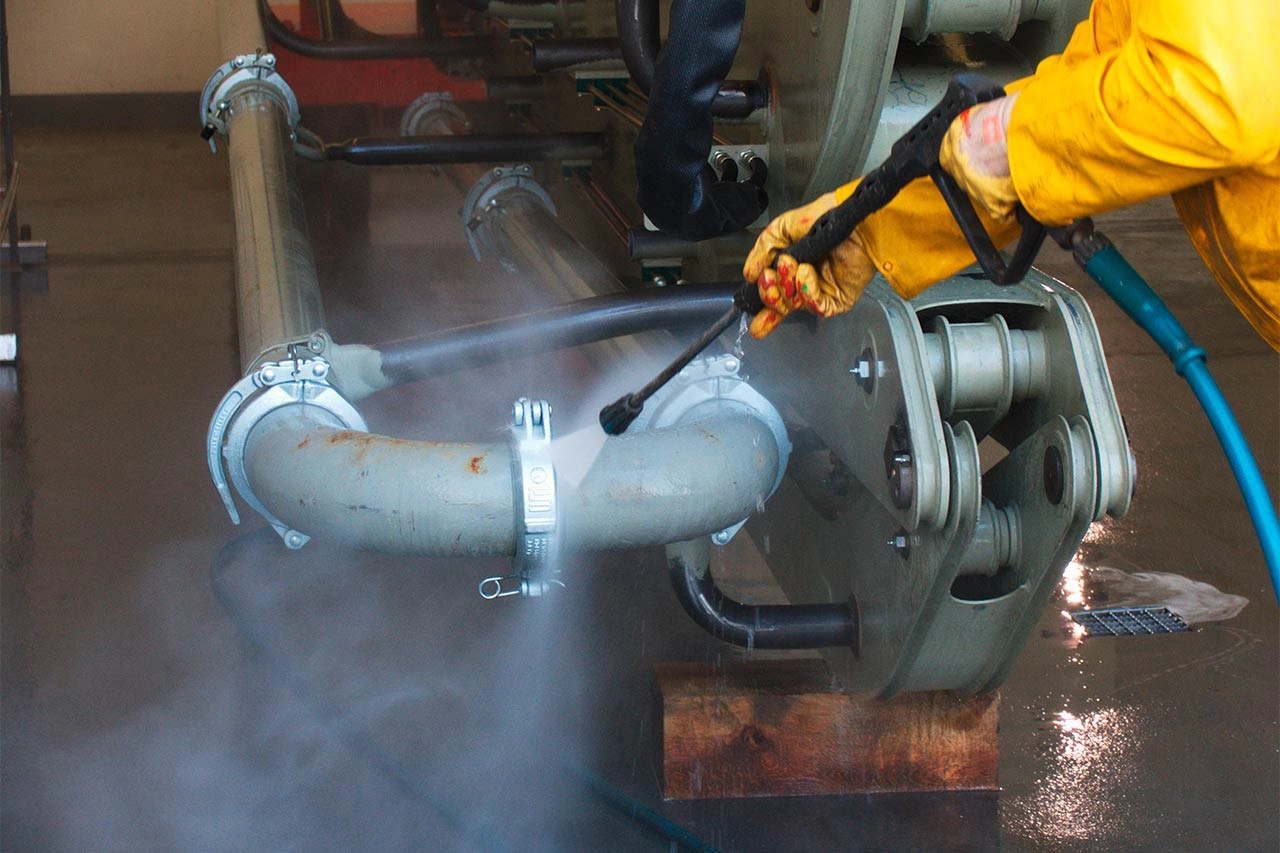
(3) Motorized scrubbing
Soft bristles can be used to remove dirt to maintain the accuracy and low roughness of the components. For example, a mesh oil filter always uses a hard wire brush, which sometimes damages the filter element or changes the filtration accuracy. For another example, a high-precision, low-roughness hydraulic valve body uses a nylon deburring brush with abrasive balls to brush the end of the valve hole, the intersection of the channel, and the countersunk groove. The brush head of the nylon deburring brush is made of black nylon wire with a diameter of 0.3~0.6mm and green silicon carbide abrasive with a specification of M20.
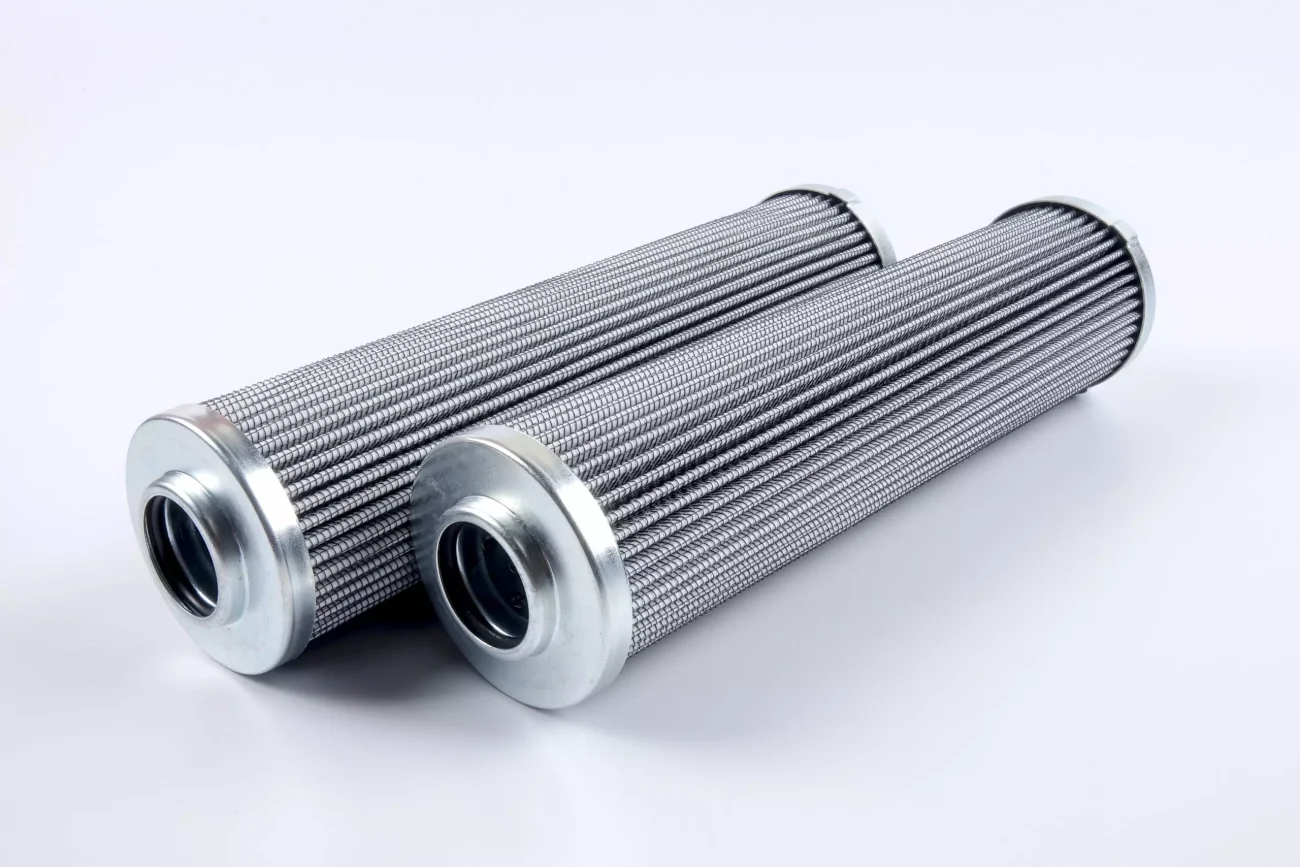
(3) Motorized scrubbing
Soft bristles can be used to remove dirt to maintain the accuracy and low roughness of the components. For example, a mesh oil filter always uses a hard wire brush, which sometimes damages the filter element or changes the filtration accuracy. For another example, a high-precision, low-roughness hydraulic valve body uses a nylon deburring brush with abrasive balls to brush the end of the valve hole, the intersection of the channel, and the countersunk groove. The brush head of the nylon deburring brush is made of black nylon wire with a diameter of 0.3~0.6mm and green silicon carbide abrasive with a specification of M20.
(5) Heating volatilization method
Some contaminants can be removed by heating them to volatilize them, but this method cannot remove the carbon, ash and solid attachments remaining inside the hydraulic components.
(6) Acid treatment method
When using this method, different pickling solutions are used for different metal materials. After removing the surface contaminants, immerse them in a solution composed of CrO3, H2SO4 and H2O to produce a corrosion-resistant film on the surface.
2. Cleaning of hydraulic components
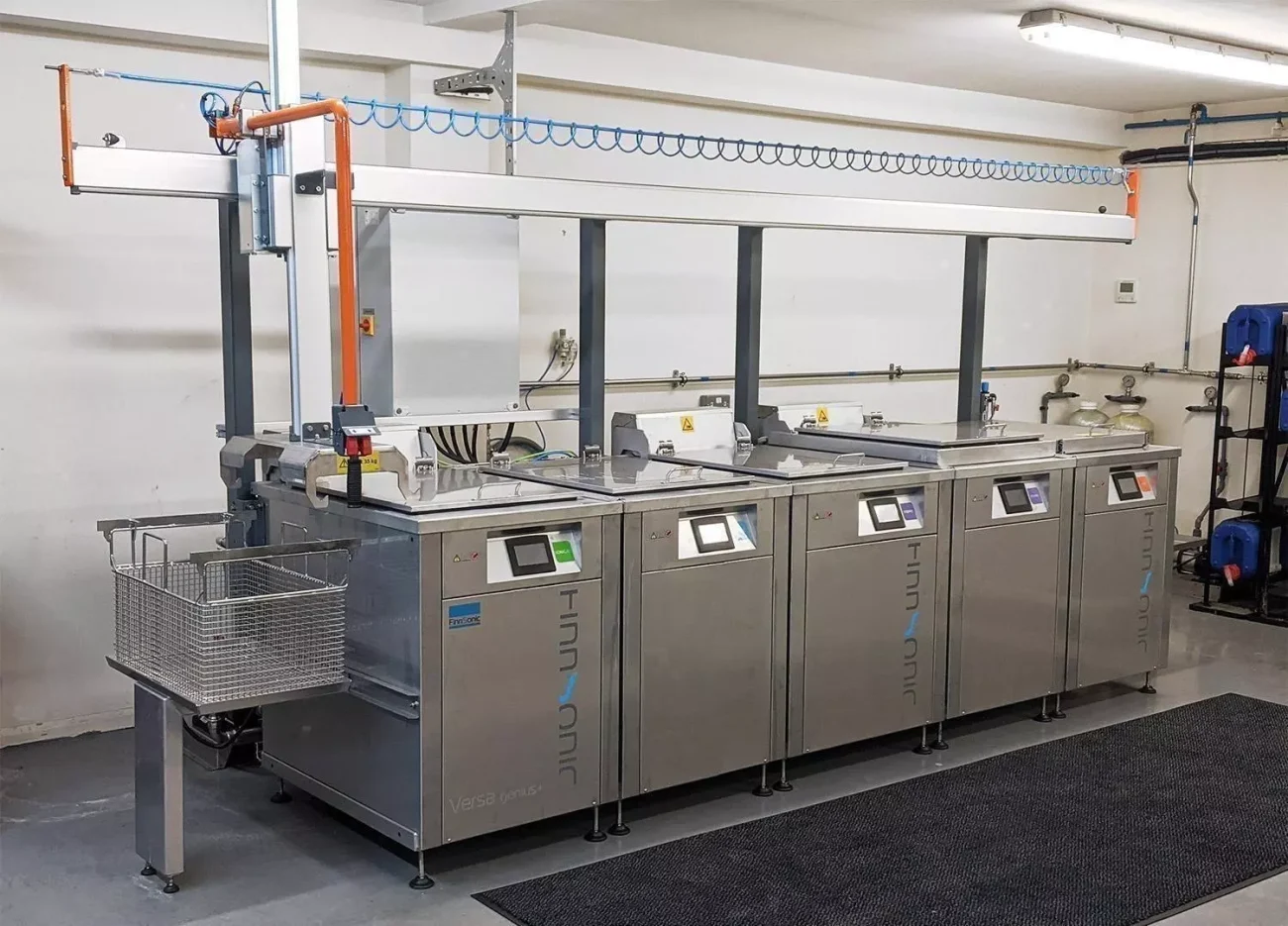
During the manufacturing process of mechanical parts, various pollutants and impurities will be brought. Therefore, purification measures must be taken before assembly to remove the pollutants remaining in the processing. When cleaning, appropriate process methods can be adopted according to the structure, size and type, nature and cleanliness requirements of the pollutants on the surface to be cleaned. For the scale, sand, burrs and rust on the workpiece, they can be removed by pressure jet machine or pickling process; if you want to clean the lubricating oil, stearic acid, paraffin, Vaseline and mechanical impurities on the workpiece, you can use cleaning agent to clean. Metal cleaning agent can be used to remove rust and oxides and increase the rust resistance of the workpiece. There are many types of metal cleaning agents, which should be selected according to the dissolving ability of the attached substances on the surface to be cleaned, whether the workpiece is corrosive, and whether harmful gases are produced by the action with pollutants. To improve the decontamination effect of metal cleaning agents and enhance the rust resistance, appropriate detergent additives can also be added. For burrs on the workpiece, vibration deburring machines, nylon deburring brushes with abrasives, etc. can also be used for cleaning. For parts with complex geometric shapes, ultrasonic cleaning can be used. After cleaning, a comprehensive inspection should be carried out to ensure that all dirt has been cleaned away during assembly.
After all parts are cleaned, they should be placed in a closed, easy-to-clean and clean place. The air in the place should be filtered, and the air pressure in the place should be higher than the external air pressure to prevent the intrusion of external air dust. If necessary, the parts can be wrapped with polyethylene plastic for easy handling and short-term storage. The humidity in the place should be kept at 35%~45%, and the temperature is generally 20%℃ to ensure that the parts do not rust.
Assembly should be done on a clean workbench, and the workers who do the assembly should also keep themselves clean. After assembly, all openings on the assembled hydraulic components should be plugged and wrapped with polyethylene plastic for easy transportation. The hydraulic cylinder can be installed in a separate pre-cleaning oil tank system and circulated and impact-cleaned with pre-cleaning oil. The required amount of oil is at least 5 times the capacity of the hydraulic cylinder. It is usually cleaned after 5 repeated flushing.
3. Cleaning of hydraulic system during assembly
(1) Select cleaning oil
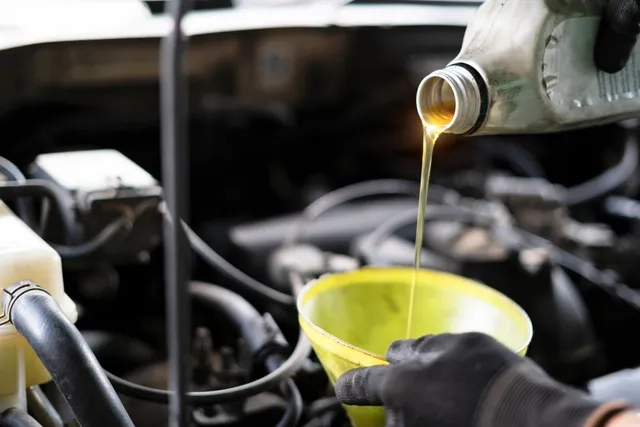
When the system pipelines and oil tank are relatively clean, you can choose cleaning oil with the same viscosity as the working oil; if the system is not clean, you can choose cleaning oil with a slightly lower viscosity. The cleaning oil should be compatible with the system working medium and the materials of all seals. The amount of cleaning oil used is usually 60%~70% of the standard oil volume in the oil tank. Before injecting the cleaning oil, clean the oil tank.
(2) Heating the cleaning oil
Hot oil can make the attachments in the system easy to loosen and fall off. Generally, it needs to be heated to 50~60℃, and the cleaning pressure is 0.1~0.2MPa. The cleaning oil flow rate should be as large as possible to facilitate the removal of dirt.
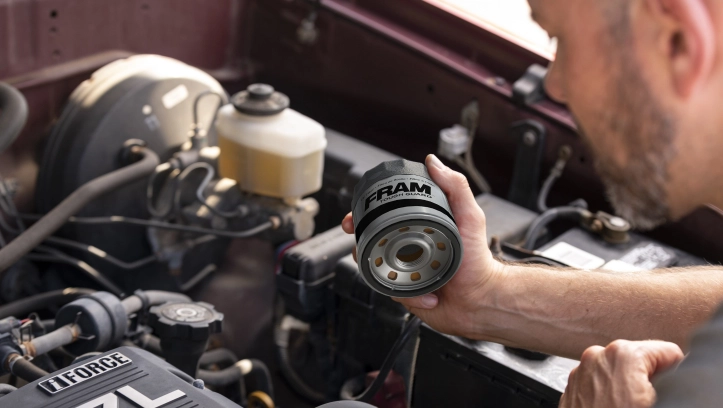
(3) Installing the oil filter
In the cleaning circuit, install a 50~100m coarse oil filter at the oil inlet and a 10~50m fine oil filter at the oil return port. Start with coarse filtration. After flushing for a period, gradually use a fine-mesh oil filter for multiple filtrations. At the beginning, disassemble the oil filter and clean it every half an hour, and then gradually use a fine-mesh oil filter and extend the cleaning interval depending on the situation. Generally, the cleaning time of the whole vehicle hydraulic system is 8h.
(4) Hydraulic pump intermittent operation
To achieve a good cleaning effect, the hydraulic pump should be turned on and off. During the cleaning process, a wooden hammer should be used to gently tap the oil pipe several times to help the dirt fall off as quickly as possible. The bends and welding parts of the pipe should be hammered more, but not too hard to prevent damage to the oil pipe. The hammering time accounts for about 15% of the cleaning time.
(5) Ensure that the cleaning fluid flows in a turbulent state
For effective cleaning, the cleaning fluid must flow in a turbulent state, that is, the Reynolds number must be above 4000 to ensure a good cleaning effect; otherwise, the cleaning fluid should increase the flow rate, increase the temperature, and reduce the viscosity. Cleaning at room temperature with a small flow rate generally has a poor effect.
(6) Drain the cleaning oil
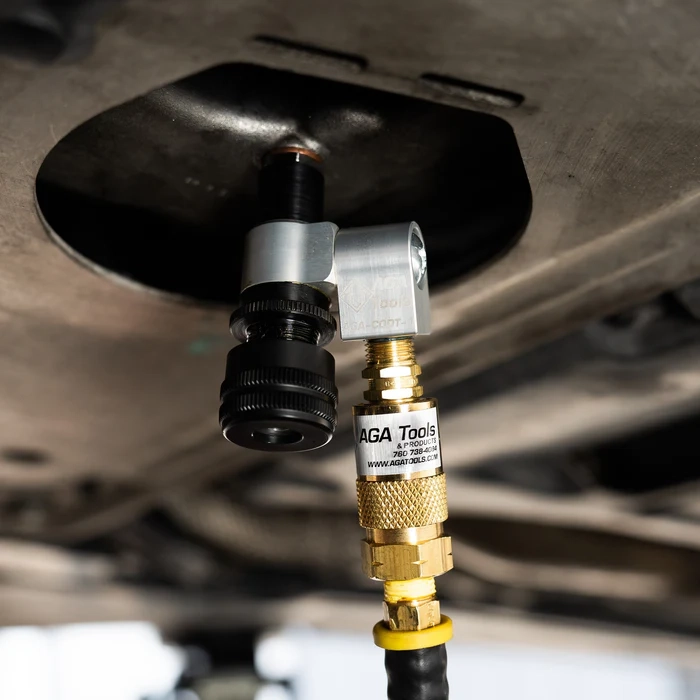
After cleaning, the cleaning oil should be drained, including the oil in the pump, valve, pipeline and oil cooler. You can loosen the pipeline to drain the oil and blow it with compressed air or add working oil to take away the cleaning oil.
(7) Add hydraulic oil
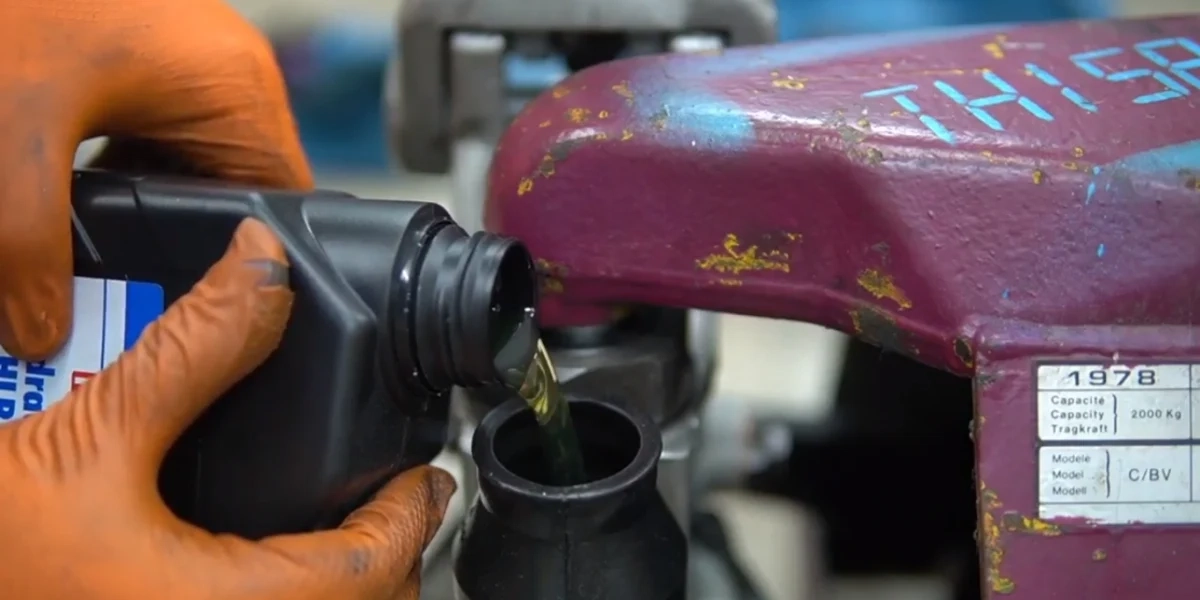
After draining the cleaning oil, add hydraulic oil as soon as possible and conduct a short test run to prevent pipeline rust, etc.
4. Precautions during cleaning
(1) When cleaning conventional hydraulic systems, we usually use working hydraulic oil or test oil for operation, and should not use kerosene, gasoline, alcohol, steam or other liquids to prevent corrosion of hydraulic components, pipelines, oil tanks and seals.
(2) During the cleaning process, the hydraulic pump is running, and the cleaning medium is heated at the same time. When the temperature of the cleaning oil is 50~80℃, the rubber residue in the system is easy to remove.
(3) During the cleaning process, a non-metallic hammer can be used to knock on the oil pipe, which can be knocked continuously or discontinuously to facilitate the removal of attachments in the pipe.
(4) Letting the hydraulic pump run intermittently can effectively improve the cleaning effect. Each intermittent cycle is usually set to 10 to 30 minutes.
(5) A filter or filter should be installed on the circuit of the cleaning oil circuit. At the beginning of cleaning, due to the large number of impurities, an 80-mesh filter can be used. In the later stage of cleaning, a filter with a mesh size of 150 or above can be used.
(6) The cleaning time is generally 48~60h, which depends on the complexity of the system, the filtration accuracy requirements and the degree of pollution.
(7) In order to avoid rust caused by external moisture, we need to keep the hydraulic pump running continuously after cleaning until its temperature returns to normal levels.
(8) After cleaning, the cleaning oil in the circuit must be drained out.
For hydraulic systems that are being assembled or newly put into use, system cleaning is a necessary step. Any behavior that neglects cleaning based on fluke mentality may cause serious or even fatal damage to the equipment.
After strict cleaning, faults in system commissioning and early operation can be reduced and avoided, the system commissioning cycle can be shortened, and unnecessary losses can be reduced.
However, system contamination control is an ongoing process and cannot be done once and for all. During the operation of the system, the oil state must be regularly tested, and the contaminants must be controlled to ensure that they are within the allowable cleanliness range of the system.


