


Blog
How to completely bleed the air out of the hydraulic system?
Hydraulic systems are widely used in industrial equipment and machinery. Their efficiency and reliability make them ideal for heavy-duty operations. However, air in the hydraulic system can lead to performance degradation, unstable operation, and even equipment damage. Therefore, understanding and mastering the exhaust method of the hydraulic system is an important part of ensuring the normal operation of the system.
1. Sources of air in hydraulic systems
(1) Hydraulic oil leakage
One of the common reasons for air to enter a hydraulic system is hydraulic oil leakage. When there is a small leak in the oil pipe, joint or seal, air will enter. For example, in a hydraulic excavator, when the seal of the oil cylinder is worn, the oil leaks and air is sucked in, which will cause the oil cylinder to move unsteadily, thus affecting the operating efficiency of the excavator.
(2) Poor connection
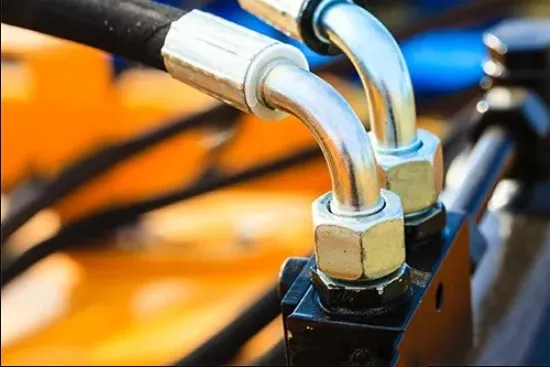
Poor connection between the oil cylinder and the pipe is also an important reason for air infiltration, especially when the system is started or stopped. Taking the hydraulic lifting platform as an example, if the joint of the connecting pipe is loose, the oil flowing under high pressure may suck in air, causing the system to “run empty”.
(3) Improper maintenance
Improper system maintenance is also a key factor in air ingress. When replacing hydraulic oil, if the operator does not follow the correct steps, air may be mixed into the oil tank. In some cases, the old oil is not fully drained, resulting in the mixing of new and old oils, which affects the oil quality and system performance.
(4) Temperature changes
Temperature changes affect the solubility of gas in hydraulic oil. When the temperature rises, the solubility of gas in hydraulic oil decreases, and the gas may be released, causing air ingress. This situation is particularly obvious when working in high temperatures in the summer, which may cause an increase in the air content in the system.
2. Effect of air on hydraulic system
(1) Efficiency decreases
The presence of air can significantly reduce the efficiency of a hydraulic system. Hydraulic system design relies on the incompressibility of fluids for efficient energy transfer. However, the mixing of air increases the compressibility of the oil, causing the response of the hydraulic oil to become delayed and unstable when pressure is applied, resulting in a decrease in system efficiency.
(2) Noise and vibration
When air is mixed into hydraulic oil, the bubbles compress and expand as the pressure changes, creating shock waves. This will not only increase the noise when the system is running but may also cause unnecessary vibrations. Long-term noise and vibration will make the operating environment of the equipment harsh, increase the wear rate, and shorten the service life of the equipment.
(3) Unstable response
The presence of air may cause unstable response of the hydraulic cylinder. In the hydraulic system, the rapid response of the hydraulic cylinder is the key to perform mechanical actions. If air is trapped in the system, the movement of the hydraulic cylinder may become sluggish or uneven, affecting the accuracy and reliability of the overall operation. This may lead to serious consequences and even cause production accidents for applications that require highly precise control, such as automated production lines.
(4) Component damage
Air that exists for a long time may eventually cause irreversible damage to system components. Moisture and impurities in the air may react with the hydraulic oil to form corrosive substances, corroding key components such as pipes, valves and cylinders. Therefore, regular exhaust and maintenance of the hydraulic system is not only a necessary measure to improve work efficiency, but also an important part of extending the service life of the equipment.
3. Exhaust method and operation steps
(1) No-load hydraulic system
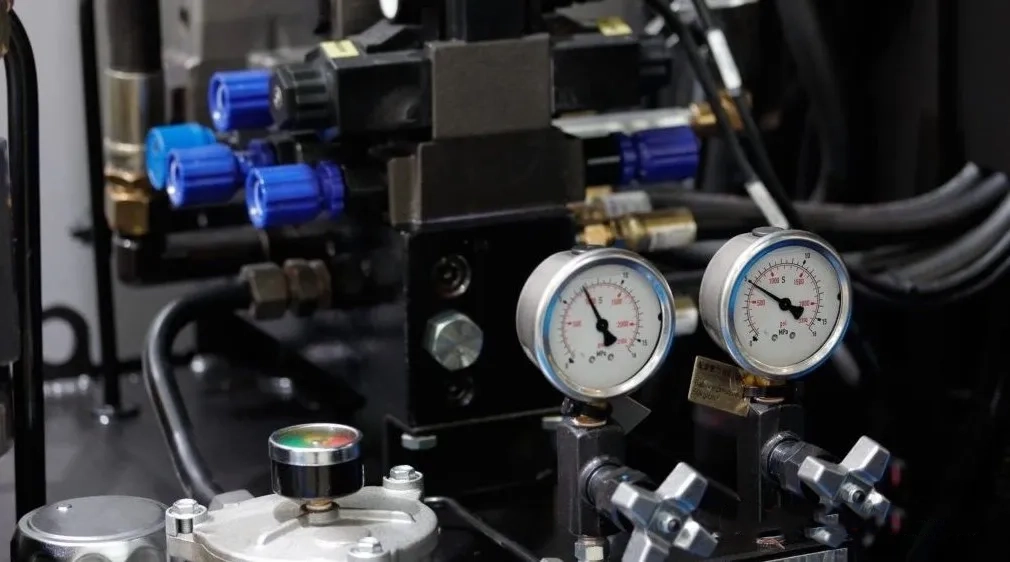
When the hydraulic system is in an unloaded state, the control valve of the operating system can promote the circulation of liquid, so that the air in the system is gradually discharged. This process uses the fluidity and flow rate of the liquid to make the air flow into the oil tank with the oil, and then overflow from the oil tank, thereby releasing the gas. This method is simple and effective, but for large-scale systems, it may not be possible to eliminate all the gas.
(2) Through the exhaust device
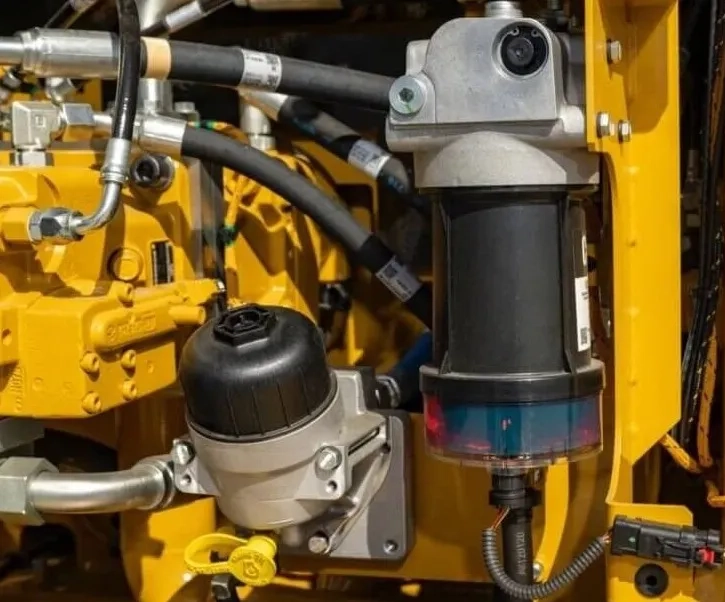
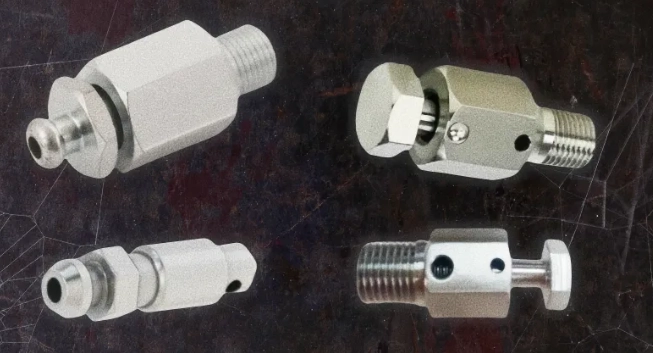
For hydraulic systems equipped with an exhaust device, exhaust can be carried out through a dedicated exhaust valve, exhaust hole or pressure measuring joint after the system pressure is reduced to a safe range. The exhaust device facilitates the discharge of trapped air and is usually equipped with a function to prevent oil leakage. This method ensures the rapid release of gas, thereby reducing the risk of cavitation and optimizing the working performance of the system.
(3) Manual exhaust operation
In the absence of an exhaust device, the operator can slightly loosen the joint of the hydraulic pipe when the system is under no pressure. At this time, the air in the hydraulic oil will come out along with the oil. Although this method can quickly exhaust the air, its disadvantage is that it may cause oil splashing, causing environmental pollution and waste of resources. Therefore, it is recommended to take appropriate protective measures during operation and avoid using this method as much as possible.
4. Preventive measures
To prevent the entry of air into the hydraulic system, the following preventive measures can be taken:
① Check the oil level regularly: Regularly monitor the oil level of the oil tank to ensure that the oil is sufficient to avoid air inhalation due to low oil level.
② Maintain seals: Regularly check the seals of the hydraulic system (such as O-rings and seals) to ensure that they are intact and replace aging or damaged parts in time.
③ Maintain the hydraulic pump: Regularly clean the filter of the hydraulic pump and check the sealing performance of the pump body to reduce the chance of wear and leakage.
④ Monitor the accumulator pressure: If the system is equipped with an accumulator, regularly check its nitrogen pressure to ensure that it is within the normal range to prevent air from entering the system.
⑤ Pay attention to the operating specifications: When installing or repairing the hydraulic system, strictly follow the operating specifications to avoid air intrusion due to improper operation.
⑥ Prevent external contamination: When adding hydraulic oil or performing maintenance, ensure that the surrounding environment is clean to prevent dust and other contaminants from entering the system.


