Blog
Analysis and improvement measures of vibration and noise of hydraulic system
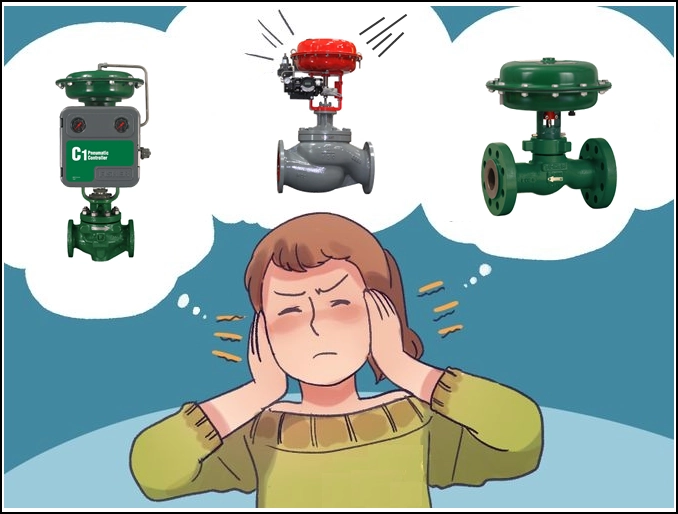
Vibration and noise in hydraulic systems are common problems that cannot be completely avoided at present. As hydraulic systems develop towards high pressure, high speed and high power, the harm of vibration and noise in hydraulic systems becomes more significant. Noise not only affects the physical and mental health of operators, but also affects the normal operation and service life of the system. In severe cases, it may even cause the system to fail to work properly. Therefore, studying the mechanism and control measures of vibration and noise in hydraulic systems has far-reaching significance for the long-term stable operation of the system and improving system performance.
1.Analysis of the causes of vibration and noise in hydraulic systems
(1)Noise caused by cavitation.
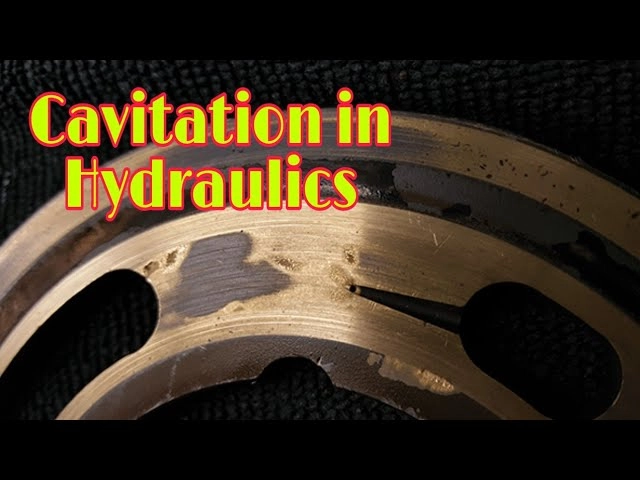
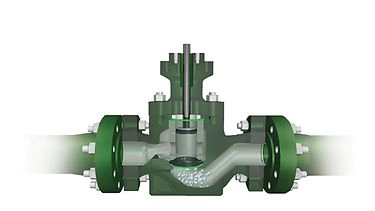
Cavitation refers to the phenomenon that when the pressure at a certain point in the oil suction chamber is lower than the air separation pressure, the gas dissolved in the oil is precipitated and bubbles are generated in the oil. If the pressure continues to decrease and is lower than the saturated vapor pressure of the liquid, the liquid will vaporize rapidly, aggravating the cavitation phenomenon. The cavitation phenomenon destroys the continuity of the oil and causes fluctuations in pressure and flow in the system. When bubbles are transported from a low-pressure position to a high-pressure position, the bubbles collapse rapidly under the action of pressure. At the position where the bubbles condense, the pressure and temperature suddenly increase, causing strong vibration and noise. When cavitation occurs, it is not only accompanied by a sharp whistling sound, which causes harm to people, but also accompanied by a large fluctuation in pressure. In severe cases, the equipment cannot work normally. At the same time, the high temperature and high-pressure environment generated by the bursting of bubbles will inevitably damage the components and shorten their service life. Therefore, cavitation should be avoided.
(2)Noise caused by hydraulic pumps and hydraulic motors.
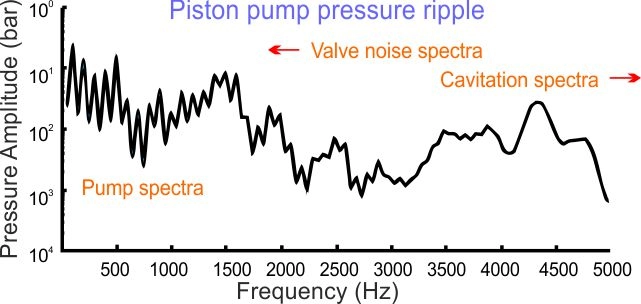
The noise generated by hydraulic pumps and hydraulic motors is usually the main part of the noise generated in the hydraulic system. The noise is generally proportional to the pressure, speed and power, and can be divided into mechanical noise and fluid noise. Mechanical noise is mainly caused by the friction caused by the axial or radial unbalanced force on the distribution shaft or distribution plate. When the unbalanced force is too large, it may even cause the shaft to stick or the plate to burn, resulting in greater vibration and noise. Fluid noise is mainly caused by pressure pulsation and distribution (oil entrapment).
(3)Vibration noise of the motor-hydraulic pump unit.
In mechanical systems, noise and vibration go hand in hand. If the rotating parts are unbalanced, periodic unbalanced forces will be generated in the unit, causing bending deformation of the shaft and thereby causing structural noise. When the vibration generated by the unit resonates with the system pipeline valves at a certain frequency, it will generate large vibrations and noise, causing great damage to the machine, and in severe cases, causing the system to fail to work normally.
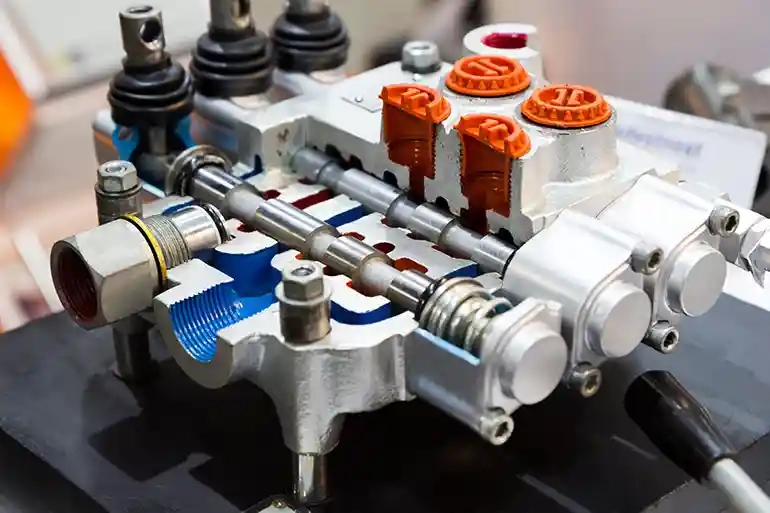
(4)Noise from hydraulic valves.
The noise of hydraulic valves mainly comes from vibration and noise caused by changes in fluid pressure, speed and direction inside the components. There are many types of hydraulic valves, among which the noise caused by pressure changes such as relief valves and throttle valves is the most significant.
(5)Pipeline noise.
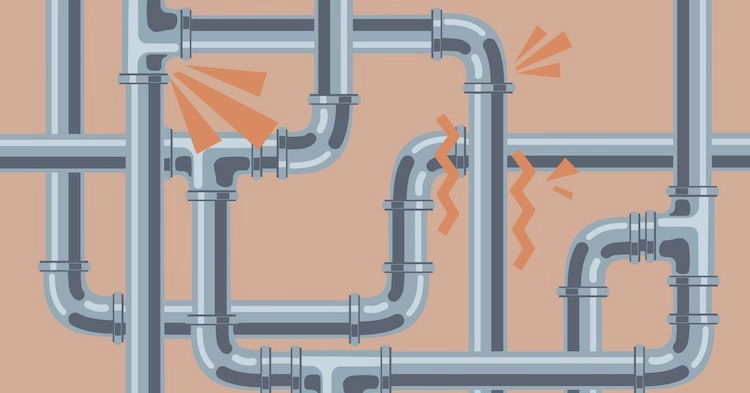
In the hydraulic system, the pipeline pressure is high, the flow rate is high, and it is very long. When the system is working, there will be a lot of pulsation shocks, which will drive the pipeline to vibrate and generate noise. When the pipeline length is equal to the resonance length, the vibration will be aggravated. When designing the pipeline, under the premise of ensuring the normal operation of the system, first, try to avoid dead bends. The radius of curvature at the turning point of the pipeline is not less than 5 times the outer diameter of the hydraulic pipe. Secondly, the pipeline is as short as possible. When it must be set over a long distance, increase the number of pipelines supports or set it in sections to reduce the vibration amplitude of the pipeline during operation. Finally, set the pipeline fixing clamps at reasonable intervals and check them regularly to ensure that the fixing clamps are not loose.
2. Hydraulic system vibration and noise control measures
(1)Control of cavitation noise
First, reduce the vacuum degree of the suction port. The following measures can be taken to improve reduce the height difference between the pump and the oil tank; increase the diameter of the suction pipe and reduce the length of the suction pipe between the pump and the oil tank; minimize the turns of the oil pipe to avoid the formation of dead bends due to the small radius of the turning curvature; select a suitable filter and clean it frequently. Second, ensure the sealing of the system. Due to the small preload of the bolts at the joints or the failure of the sealing gasket, the outside air enters the system, aggravating the cavitation phenomenon. Therefore, the sealing condition should be checked frequently, and if the sealing failure is found, it should be replaced in time. Third, different brands of hydraulic oil should be selected according to regional and seasonal changes to ensure that the hydraulic oil tank has good heat dissipation conditions and avoid the vaporization of hydraulic oil.
(2)Noise control caused by hydraulic pumps and hydraulic motors
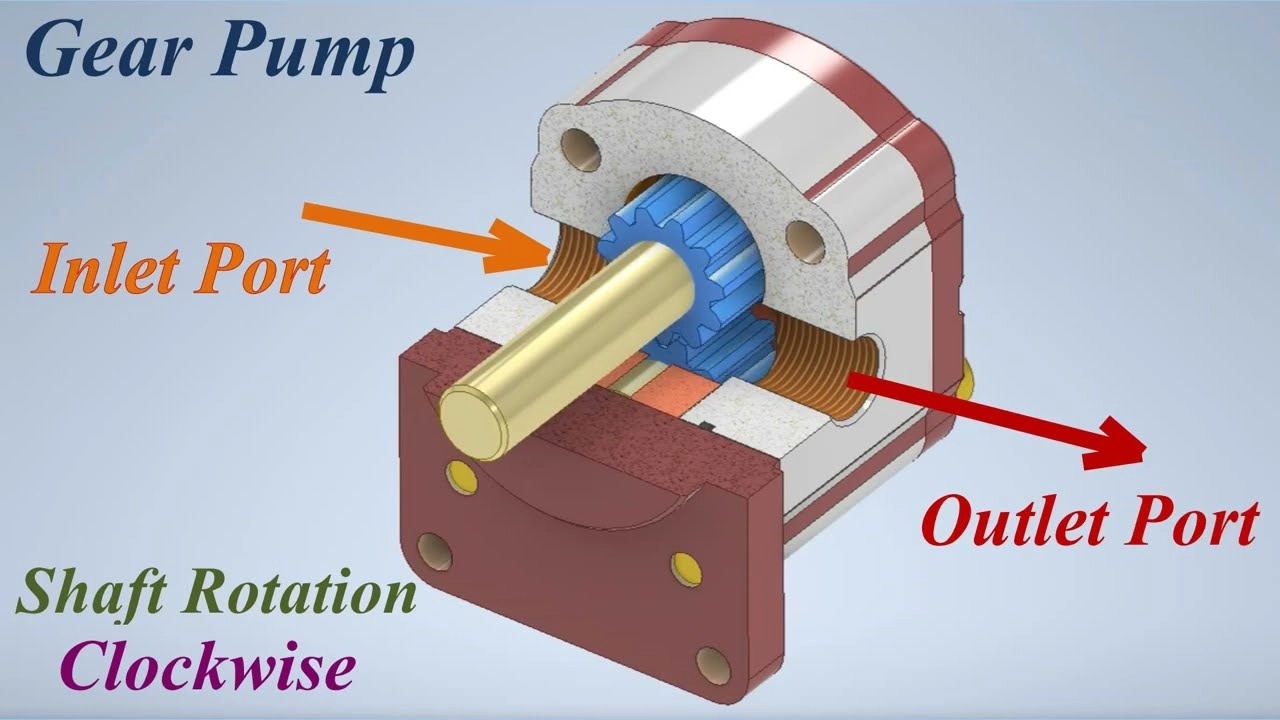
The main strategy to reduce mechanical noise is to reduce unbalanced forces. The structural form of the pump and motor has an important influence on the generation of unbalanced forces in the hydraulic system. When designing a hydraulic system, a pump that can achieve radial force offset and balance should be selected under the premise of meeting the pressure and flow requirements of the system design. For example, double-acting vane pumps, internal gear pumps or screw pumps are good choices because their noise level is much lower than that of axial piston pumps. For fluid noise generated by pressure pulsation, the effect of pulsation can be reduced by installing an accumulator, thereby further reducing the noise.
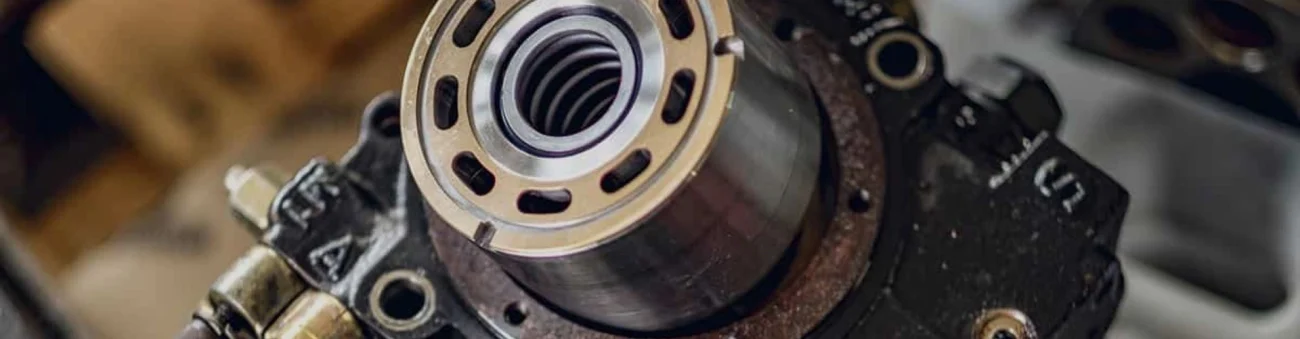
The oil trapping phenomenon refers to the situation that when the hydraulic pump is working, part of the oil is enclosed in the volumetric cavity with changing volume. When the volume decreases, the pressure increases, and the oil is squeezed out of the gap. The increase in the volume of the enclosed cavity will cause a partial vacuum, causing the gas dissolved in the oil to precipitate, thus generating strong vibration and noise. The main way to eliminate the oil trapping phenomenon is to use an oil drain groove or oil drain hole to discharge the high-pressure liquid during the design process of the pump. When maintaining the hydraulic pump, carefully check and measure whether the unloading groove has changed. If there is any change, correct it strictly according to the design size.
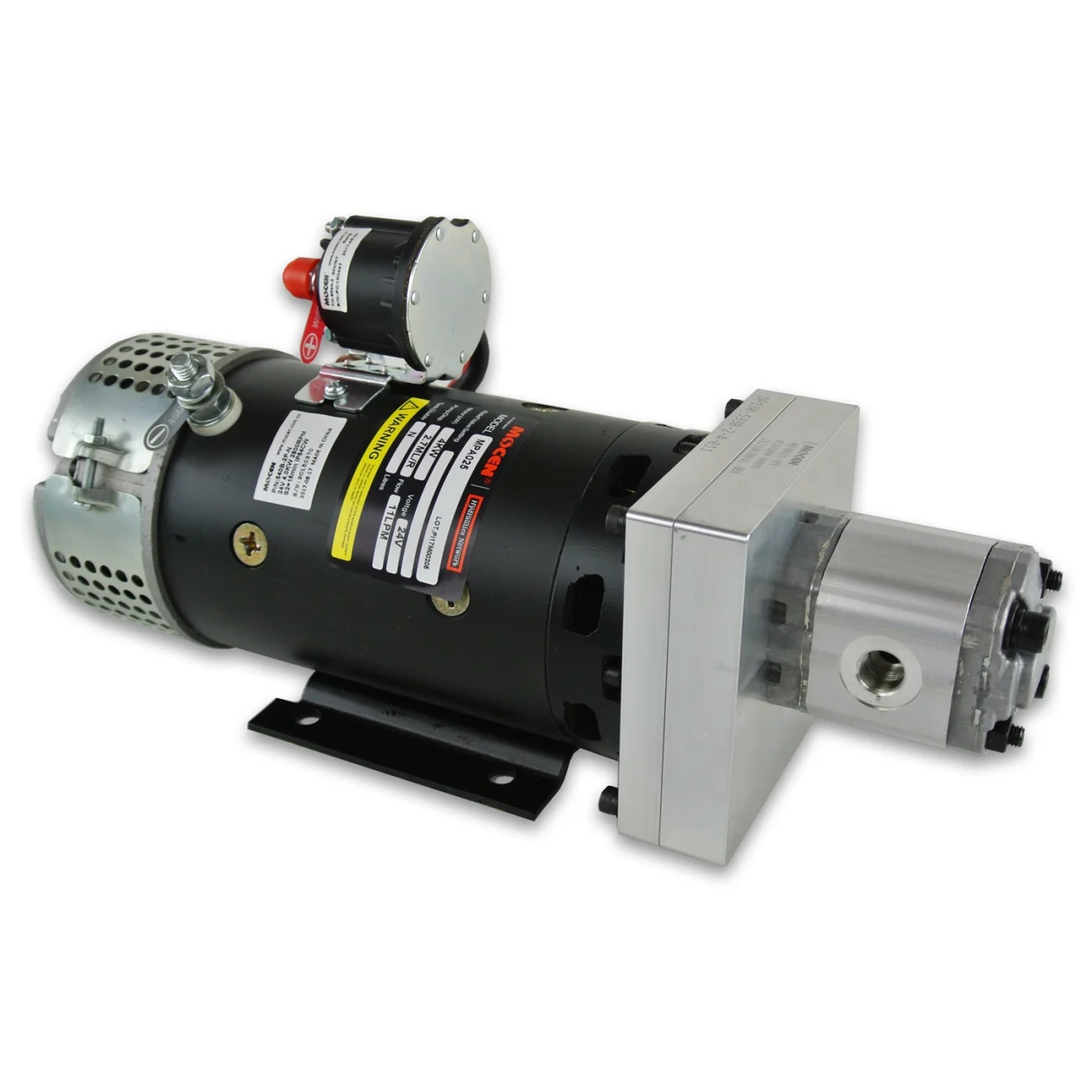
(3)Vibration and noise control measures for motor-hydraulic pump units
The noise generated by the vibration of the unit can be improved by the following measures:
①Reduce the imbalance of the rotating parts and weaken the disturbance of the unbalanced force generated thereby. Test data show that when the coaxially between the motor and the hydraulic pump exceeds 0.02, it will cause vibration noise of the unit; when it exceeds 0.08, it will generate strong vibration noise. Therefore, it is necessary to improve the manufacturing process level of motors, hydraulic pumps and hydraulic motors and weaken the factors of the machine itself. At the same time, the installation quality should be strictly controlled, and the coaxially of the unit should be effectively improved by connecting with a rubber pad coupling to ensure that the coaxially is controlled within 0.02, improve the dynamic balance performance of the unit, and thus reduce noise.
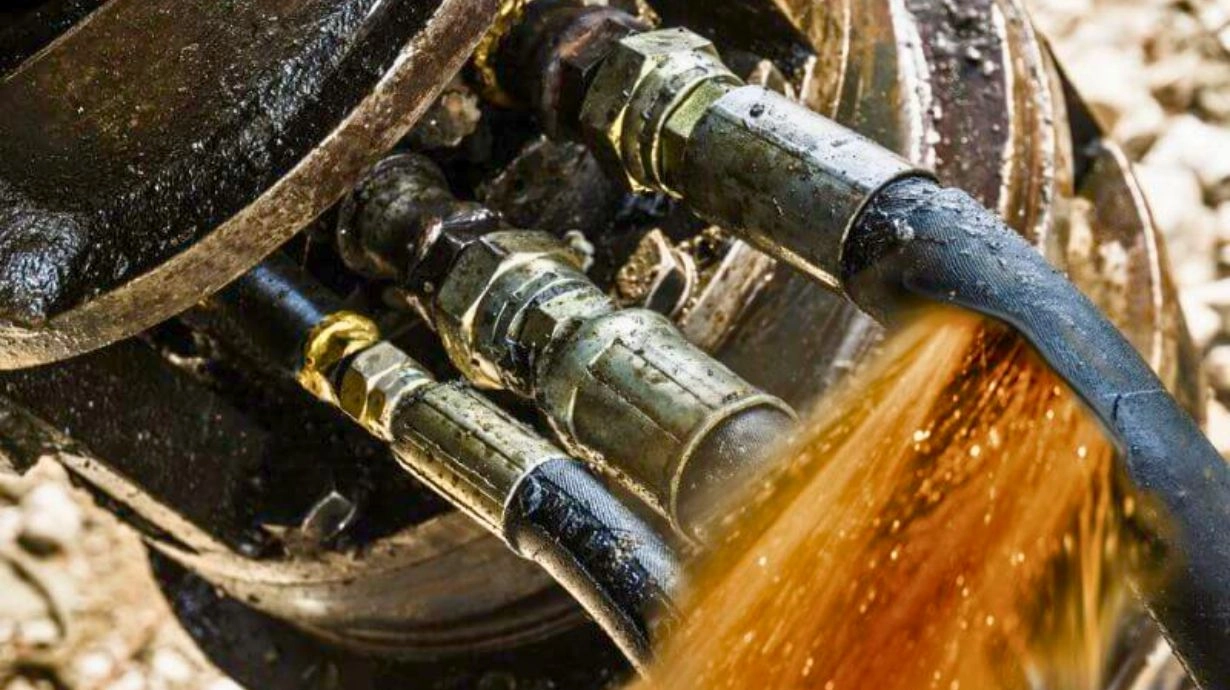
② There are three main ways to adopt reasonable isolation technology and prevent unit resonance:
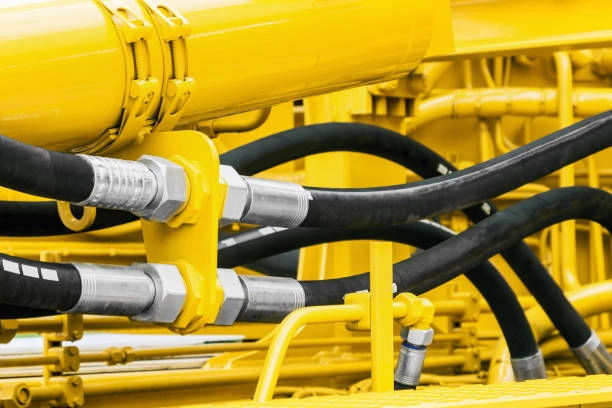
First,add a flexible pipe at the outlet of the hydraulic pump to reduce the vibration of the unit from being transmitted to the pipeline system. For longer pipelines, flexible pipes are added in the middle to connect the sections to reduce vibration transmission in the pipeline system.
Second, install a shock absorber between the unit and the installation base. Shock absorbers include metal shock absorbers, elastic shock absorbers, rubber shock absorbers, etc. The first two are used for low-frequency vibrations below 10 Hz. When selecting a shock absorber, first determine the model and quantity based on the quality of the unit.
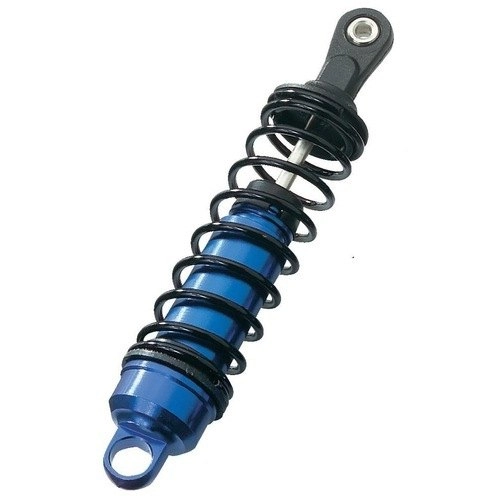
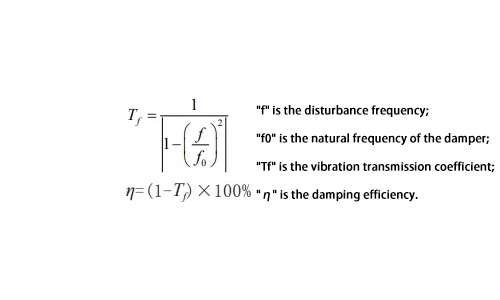
Then the disturbance frequency “f” is obtained based on the machine speed; combined with “f0” provided by the manufacturer, the vibration transmission coefficient “Tf” and the damping efficiency “η” are obtained. When 0.4<“f”, “f0″<1.7, “tf”<1, “η”>90%, the shock absorption effect is the best. If the “F/f0” value is too large, the shock absorption effect will become poor due to its large static compression. In addition, the number of shock absorbers is positively related to the stability of the unit. When arranging shock absorbers, it should be ensured that the deformation of all shock absorbers is basically the same and cannot exceed the deformation limit value.
Third, increase the counterweight of the unit. The counterweight is generally 2 to 3 times the weight of the unit. The purpose is to increase the mass and increase the ratio of the disturbance frequency to the natural frequency of the machine, thereby improving the shock absorption effect. Increasing the counterweight can not only reduce the vibration noise of the unit, but also lower the center of gravity of the unit, improve the stability of the unit, improve the system stiffness, reduce the inclination of the equipment, etc.
③Use a soundproof enclosure.
The soundproof enclosure isolates the sound at the source of the sound and has obvious advantages in cost and noise reduction. The shape is generally an arch or curved body to weaken the standing wave effect in the enclosure, with as few openings as possible and sound-absorbing materials attached to the inner wall. The soundproof enclosure is generally made of flexible materials and is required to have a certain mass to avoid resonance of the soundproof enclosure.
(4)Noise control measures for hydraulic valves
When designing a hydraulic system, use a variable pump with a constant pressure device to minimize the use of overflow valves and throttle valves with large flow rates to adjust system pressure and flow. In addition, when selecting a hydraulic valve, the natural frequency of the valve core reset spring should be avoided as much as possible from falling within the frequency of the oil pump or oil pipeline or other vibration frequencies in the system to prevent resonance.
(5)Noise control measures for pipelines
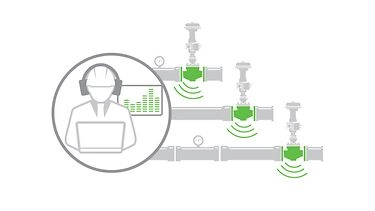
When designing pipelines, on the premise of ensuring the normal operation of the system, first, try to avoid dead bends. The radius of curvature at the end of the pipeline should not be less than 5 times the outer diameter of the hydraulic pipe. Secondly, the pipeline should be as short as possible. When it is necessary to set it over a long distance, increase the number of pipelines supports or set it in sections to reduce the vibration amplitude of the pipeline during operation. Finally, set the pipeline fixing clamps at reasonable intervals and check them regularly to ensure that the fixing clamps are not loose. In addition, applying high-resistance materials on the outside of the pipe can also effectively reduce pipeline vibration and minimize noise radiation, especially for high-frequency noise.
In hydraulic systems, vibration and noise are very harmful. Its generation and propagation are a complex process, which is not only related to the structural design and manufacturing process of components, but also to the design, installation, use and maintenance of the system. Vibration and noise cannot be eliminated under current technical conditions. Therefore, in the design of hydraulic systems, it is very necessary to correctly understand the generation mechanism of hydraulic system noise and take corresponding measures to minimize the harm of vibration and noise, which is also of great significance to the development of hydraulic systems.