Blog
9 Ways to Cool Your Workshop
In summer, many companies are thinking about ways to cool down high-temperature workshops to solve the troubles caused by high-temperature workshops. However, when it comes to cooling down high-temperature workshops, the traditional cooling methods are electric fans and central air conditioners. However, these two methods are not widely used in industry, because either the cost of cooling is too high or the cooling effect is not good.
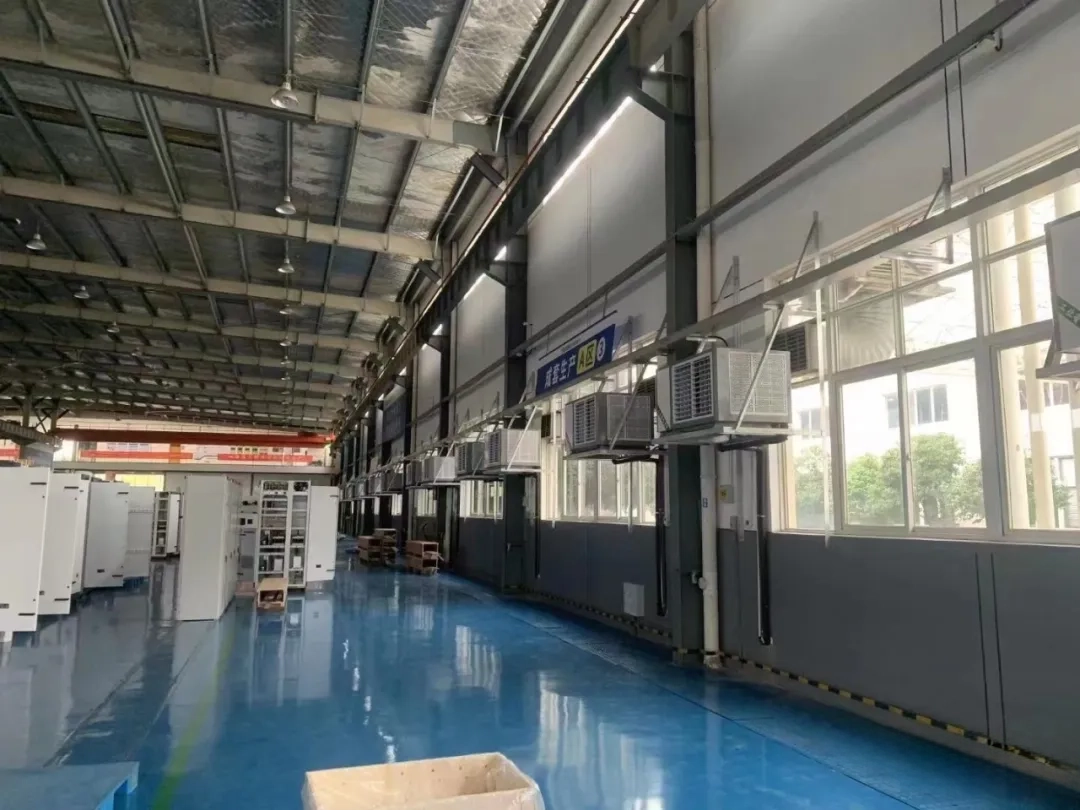
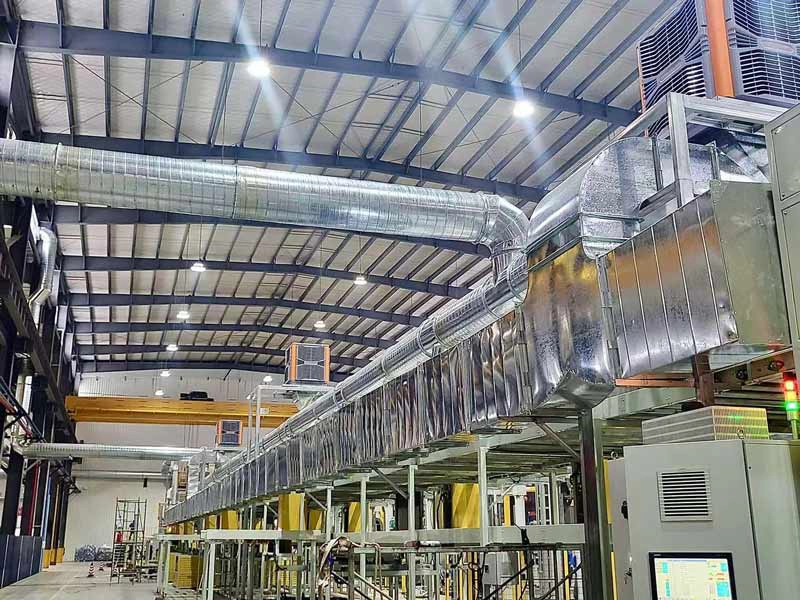
The first cooling method is to install industrial energy-saving air conditioners. Industrial energy-saving air conditioners not only require little investment but also have high efficiency. Compared with the same area of installation, the investment is 3/5 of the central air conditioning. They have large air volume, long air supply, fast air exchange speed, good cooling effect, adjustable temperature, 6-10 degree temperature difference between the air inlet and outlet, cold air circulation for cooling, low power consumption, 40%-50% energy saving than traditional air conditioners, stable performance and reliable quality.
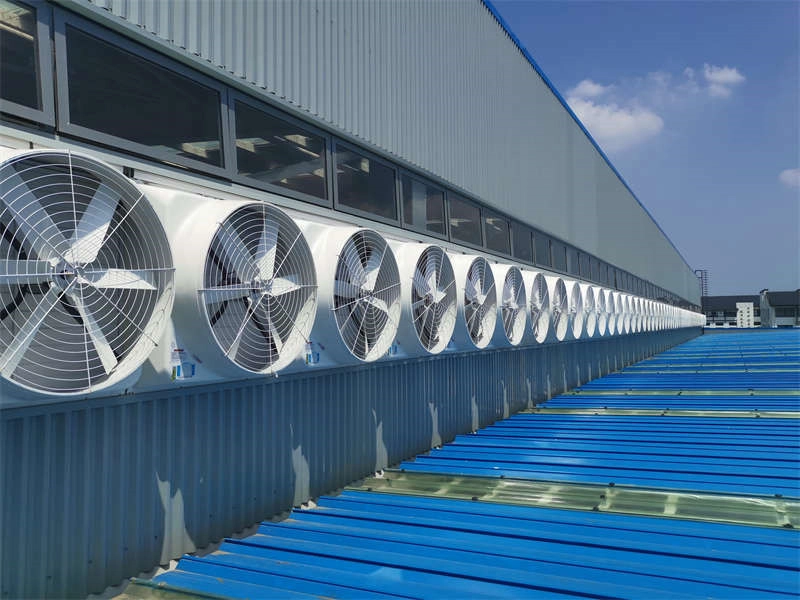
The second cooling method is to use a negative pressure fan to cool and ventilate. A negative pressure fan will exhaust the indoor air, forming a negative pressure and allowing the indoor air to flow, but the cooling effect is not obvious, and the main function is still ventilation.
The third cooling method is to install a negative pressure fan + wet curtain. The negative pressure fan will draw out the air, and then the wind will pass through the wet curtain on the other side. The heat will be absorbed by the water on the wet curtain, cooling the air and achieving the cooling effect.
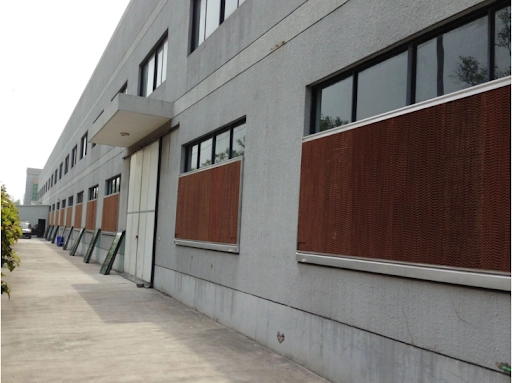
The fourth method of cooling high-temperature workshops is to use environmentally friendly air conditioners to lower the indoor temperature. Environmentally friendly air conditioners also rely on water evaporation to absorb heat. There are wet curtains in its main unit, and the fan blades will continuously send cold air into the room. Expel the hot and stuffy air in the room to achieve a cooling effect. While cooling, it can also achieve the effects of ventilation, dust removal and odor removal.
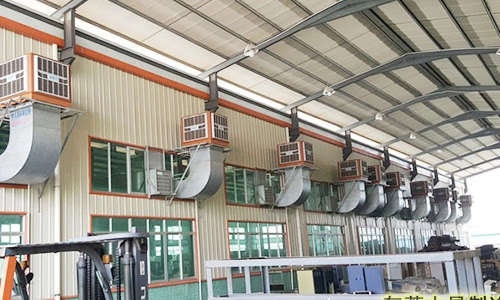
The fifth method of cooling down a high-temperature workshop is to use an energy-saving and environmentally friendly air conditioner in combination with a negative pressure fan. The environmentally friendly air conditioner will continuously deliver a large amount of cold air, and then the negative pressure fan will expel the stuffy gas, so that the cooling effect will be better.

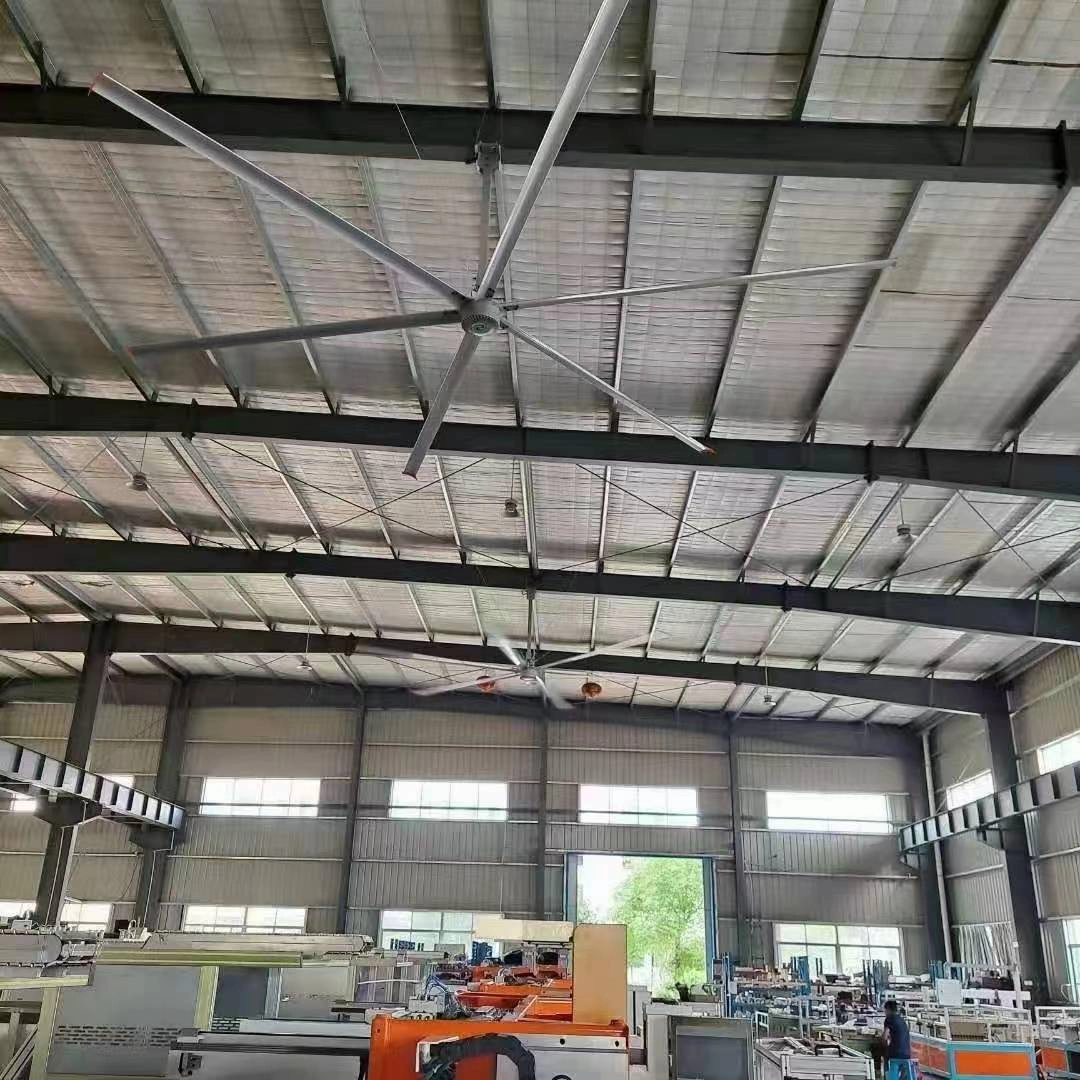
The sixth method of workshop cooling is to use industrial fans. This cooling method is suitable for large spaces. Industrial fans will drive a large amount of air flow and quickly take away the heat from the human body. Many steel structure workshops and tall and large workshops are using this cooling method.
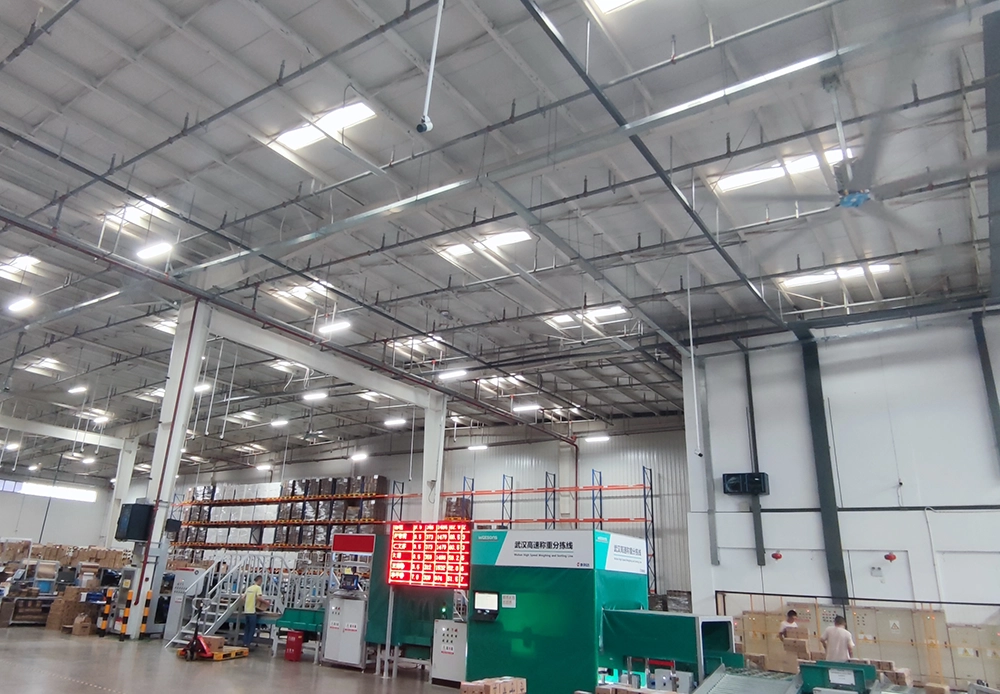
The seventh method of cooling down a high-temperature workshop is to use industrial fans and evaporative cooling units. Environmentally friendly air conditioners will continuously send cold air into the room, and then stir the cold air through industrial fans. A large amount of cold air passes through the surface of the human body, which will quickly take away the heat and sweat from the human body, achieving a cooling effect.
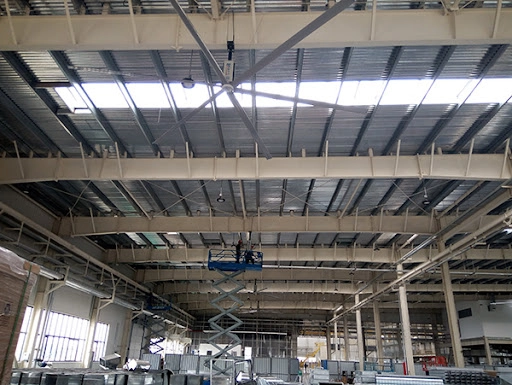
The eighth method of cooling down high-temperature workshops is to use a combination of water curtains and fan positive pressure to cool down. When water passes through the wet curtain, it will absorb heat and cool the air, and then the fan will send the cold air into the workshop to achieve the purpose of cooling down.
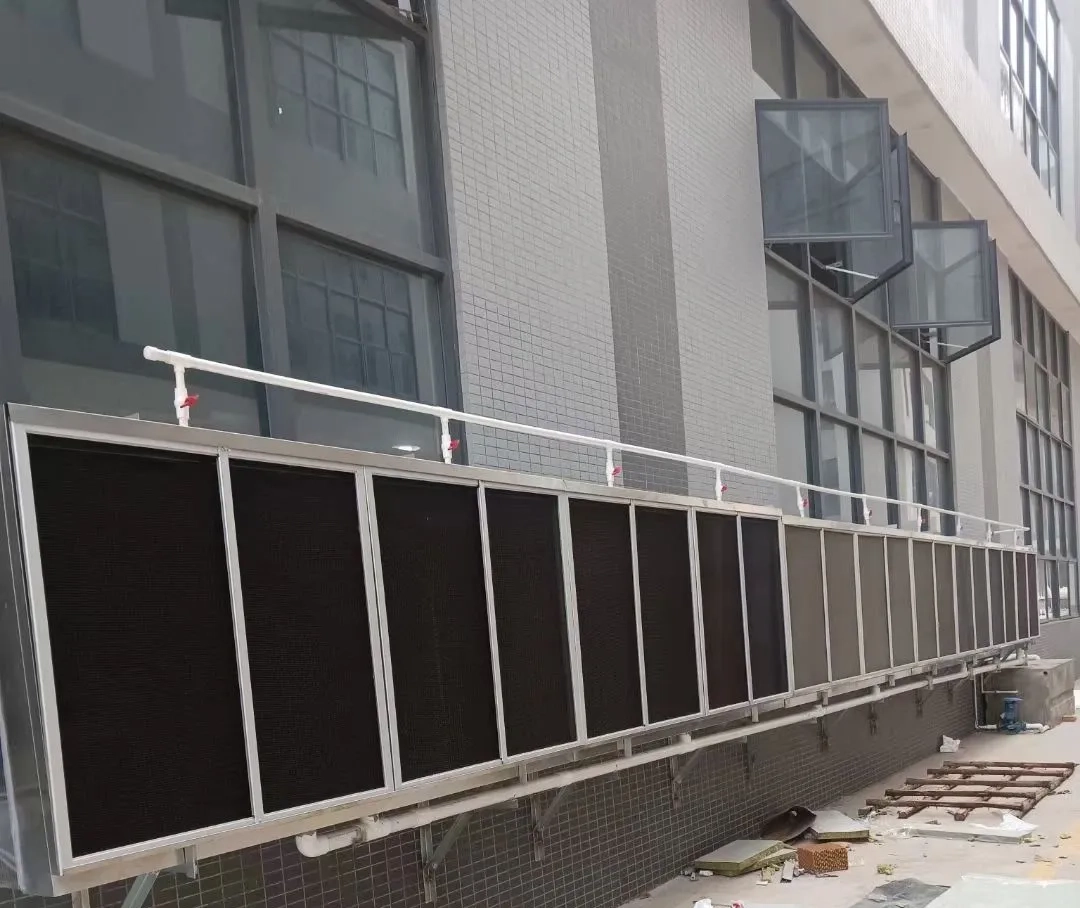
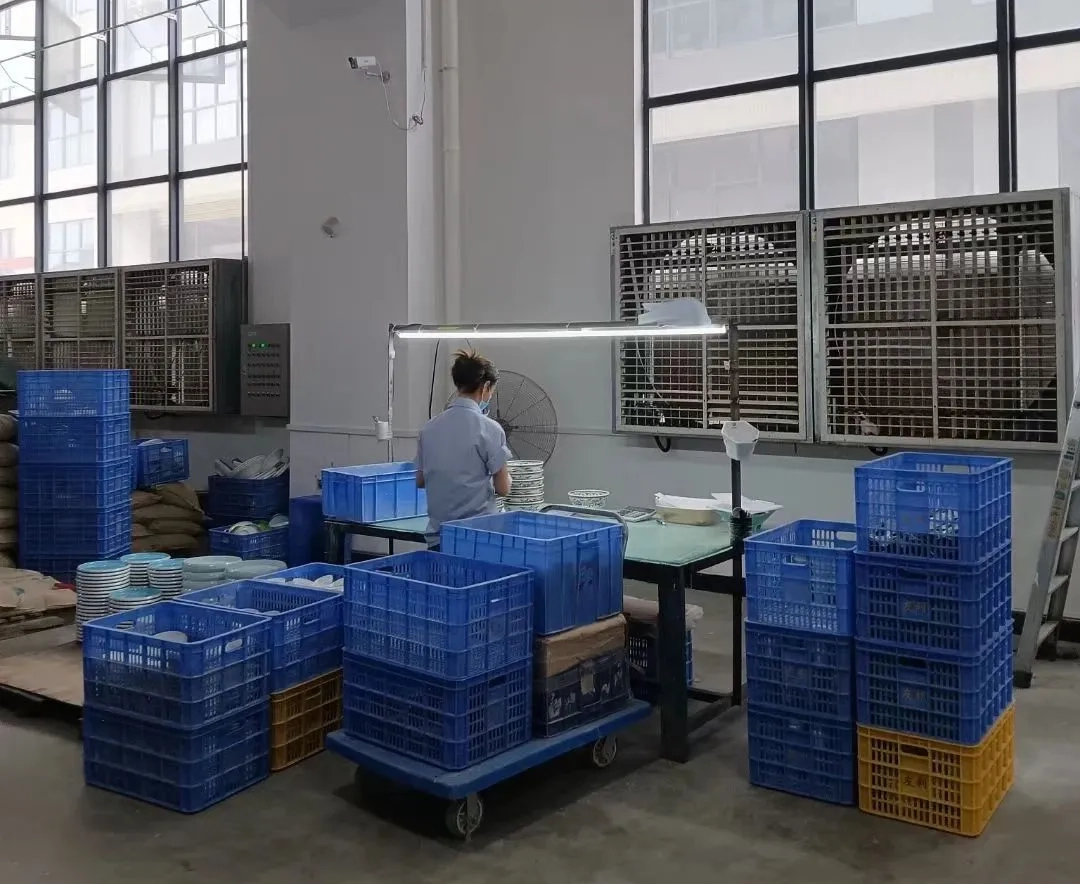
The ninth way to cool down a high-temperature workshop is to install an industrial energy-saving air conditioner + industrial large fan combination for cooling. The industrial energy-saving air conditioner will continuously send cold air into the room, and then stir the cold air through the industrial large fan. A large amount of cold air passes through the surface of the human body, which will quickly take away the heat and sweat from the human body, driving the cold air to cover every place in the room, thereby achieving an overall cooling effect.