Blog
Robot Industry Chain – Panoramic Analysis of Motors
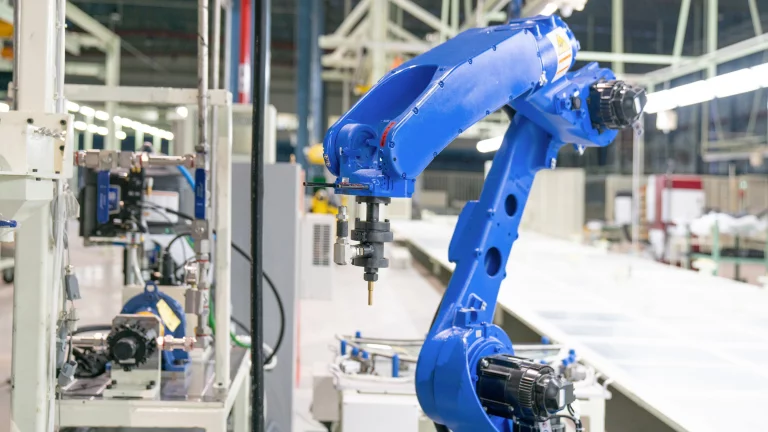
In today’s era, the hottest topic in the field of science and technology is the robotics industry. As one of the core components of the robot motion system, the motor is a key device that converts electrical energy into mechanical energy. The performance directly determines the robot’s motion accuracy, response speed, load capacity and overall work efficiency.

1. Robot drive mode
(1) Pneumatic drive:
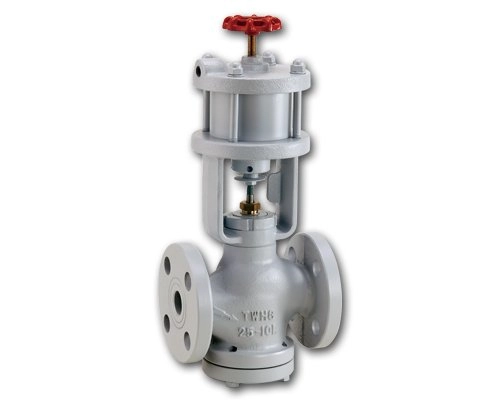
Pneumatic drive consists of cylinders, air valves, air tanks and air compressors. Its principle is to use compressed air to drive cylinders (linear motion) or pneumatic motors (rotary motion), and use compressible air as the working medium to transmit power, which can be faster, cleaner and reduce costs.
(2) Hydraulic drive:
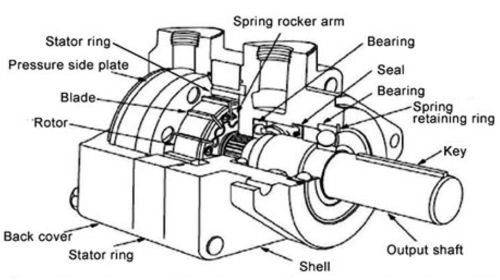
Hydraulic drive consists of hydraulic motors (various oil cylinders, oil motors), servo valves, oil systems, oil tanks, etc. Its principle is to use high-pressure hydraulic oil (usually provided by hydraulic pumps) to drive hydraulic cylinders (linear motion) or hydraulic motors (rotary motion), which can provide huge force and torque and strong carrying capacity.
(3) Electric drive:
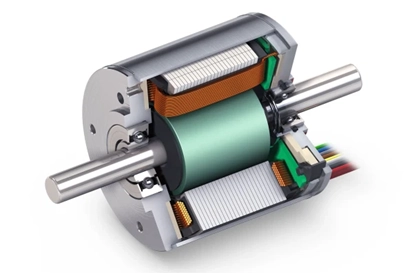
Electric drive consists of power supply, motor, feedback device, controller, etc. Its principle is to use electric energy to drive motors (servo motors, stepper motors, DC motors, etc.) to generate rotation or linear motion, which is easy to improve control accuracy, fast response speed, realize complex motion trajectory, and high efficiency.
(4) Other drives:
The above three types are the mainstream classifications, but there are a very small number of other drive methods that are under research or exist in specific fields, such as combustion drives, new drives, etc.
2. Classification of robot motors
(1)DC motor:
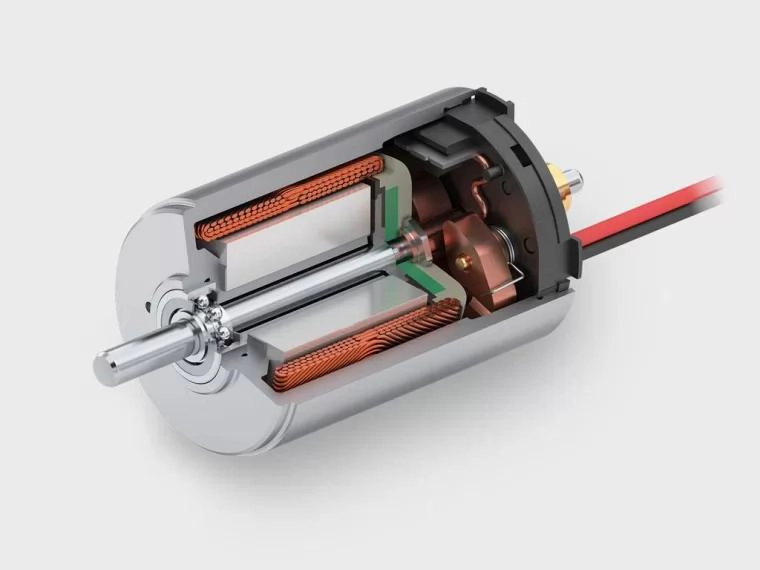
DC motors can be divided into brushed DC motors and brushless DC motors. Their core principles are based on electromagnetic induction and the law of Lorentz force. Simply put, when a conductor has current flowing through it and is in a magnetic field, the conductor will be acted upon by a force (Ampere force or electromagnetic force), which is mostly used in precise position control and high torque scenarios.
(2)AC motor:
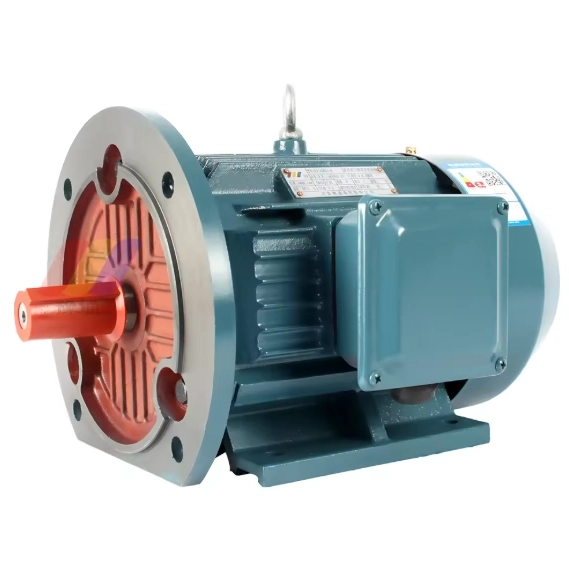
AC motors can be divided into single-phase motors and three-phase motors. Their core principles are based on the generation of rotating magnetic fields and the law of electromagnetic induction. Unlike DC motors, AC motors do not require physical commutation devices (brushes and commutators), have simpler structures, higher reliability, and less maintenance. They are the most widely used power devices in modern industry.
(3)Drive motors:
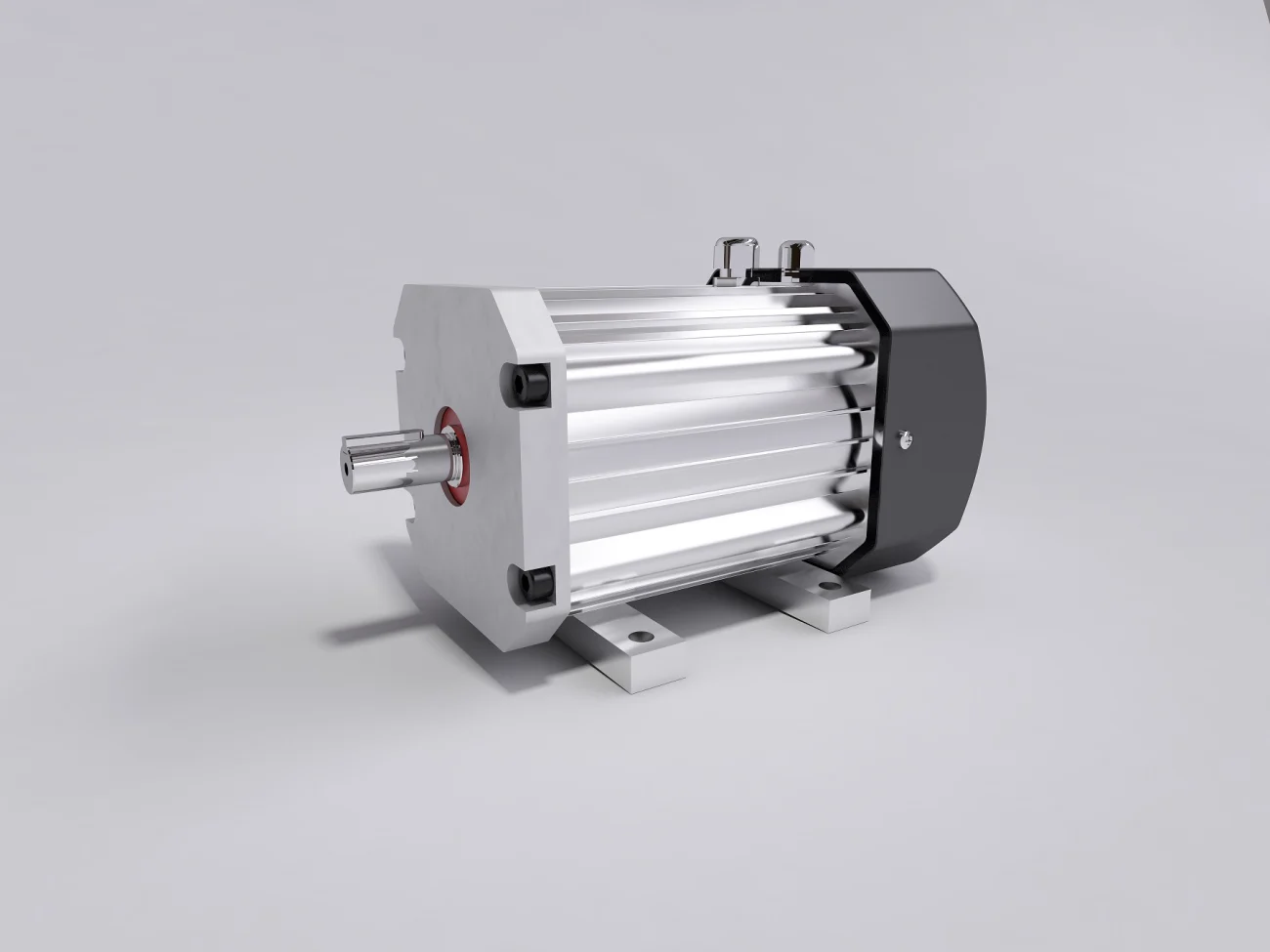
There are permanent magnet synchronous motors, brushless DC motors, induction (asynchronous) motors, and switched reluctance motors. In modern industry and transportation (especially new energy vehicles), drive motors usually refer specifically to motor systems as power sources. Their principles are essentially engineering applications of motor principles, but they are optimized for specific scenarios (such as efficient drive and precise control).
(4)Control motor:
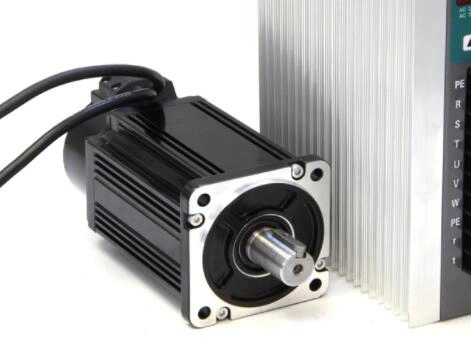
There are three main types of control motors, namely stepper motors, servo motors, and torque motors. The professional explanation principle is based on the closed-loop feedback control theory, which relies heavily on real-time sensor feedback and intelligent algorithm correction to achieve fine-tuning of dynamic response.
3. Overview of the Robot Motor Market
(1) From the perspective of market data and trends:
The motor market size has been growing rapidly in recent years. As robots are put into different application scenarios, the demand for core components is also increasing. However, at the same time, the difficulty of meeting the individual needs of different enterprises is also increasing.
(2) From the perspective of global regional markets:
For the analysis of the motor regional market, from the perspective of regional markets, North America and Europe are still the main consumer markets for robot motors. These two regions are in a leading position in terms of technological innovation and automation, especially in the fields of automobile manufacturing and industrial automation, where the demand for high-performance robot motors is relatively strong. With the development of emerging markets, demand in the Asia-Pacific region is growing rapidly, especially in China and India. Consumers’ demand for automation and intelligence is constantly increasing, providing new impetus for the growth of the global market.
In other regions, such as Latin America and Africa, although the market size is relatively small, with the advancement of economic development and infrastructure construction, the future potential cannot be ignored. Therefore, when enterprises are making regional market layouts, in addition to paying attention to the competitive landscape of mature markets, they also need to consider opportunities in emerging markets in order to achieve sustained growth.