Blog
Application of hydraulic and pneumatic technology in the field of robotics
With the continuous development of robotics technology, the application of hydraulic and pneumatic technology in the field of robotics is becoming more and more extensive. With their unique advantages, hydraulic and pneumatic systems provide effective solutions for power transmission, motion control and load bearing of robots. This article will explore the application status and characteristics of hydraulic and pneumatic technology in the field of robotics.
1.Application of hydraulic technology in robots
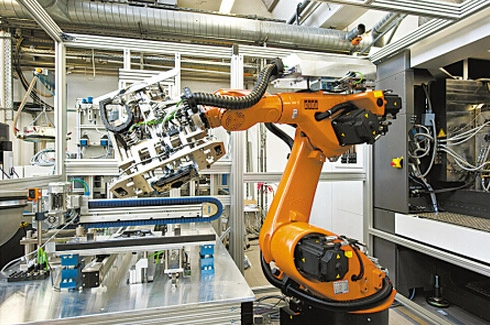
Hydraulics is a method of transferring energy and controlling motion using the pressure of liquids. Its main advantages include high power density, precise force control, and fast response. In the field of robotics, hydraulics are often used in situations that require high load capacity and precise control, such as industrial robots, humanoid robots, and special robots.

(1)High load capacity
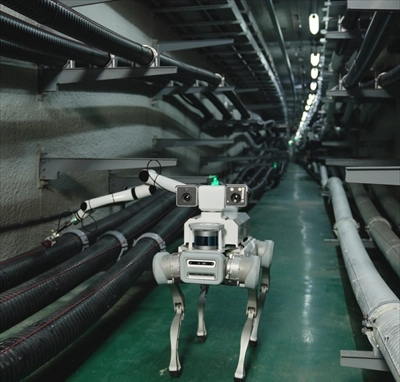
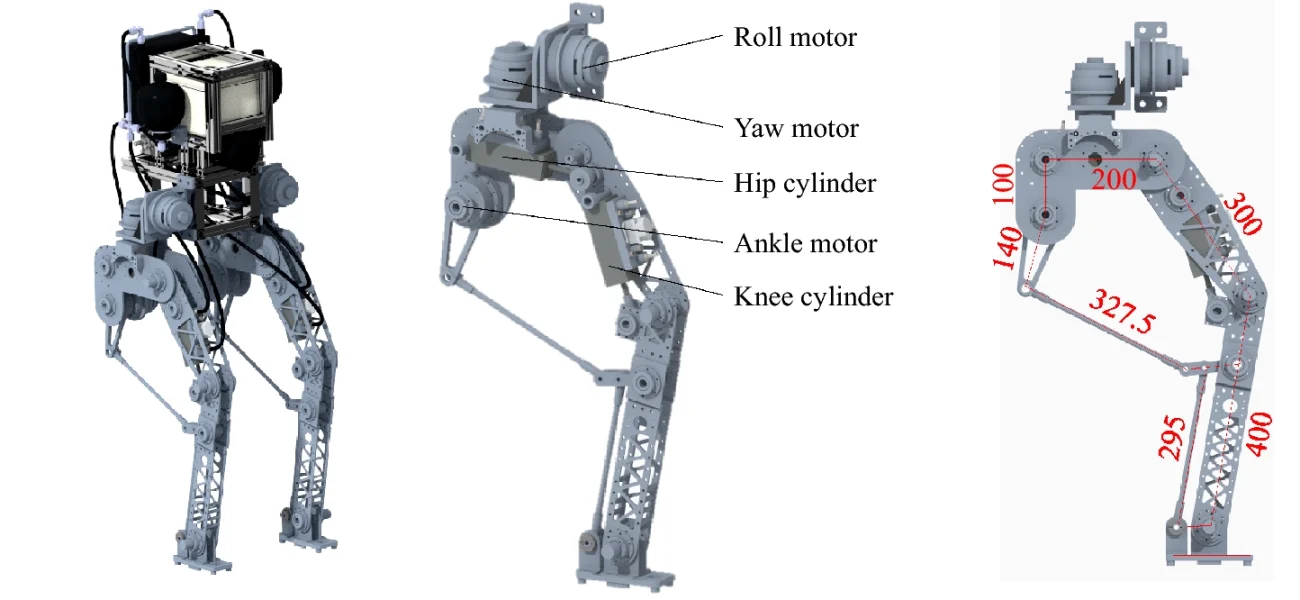
Hydraulic systems can generate huge forces and torques, making them suitable for robots that need to carry heavy objects. For example, a hydraulic quadruped robot can walk on complex terrain and carry heavy objects, and its hydraulic system can effectively absorb impact forces, ensuring the robot’s stability and durability.
(2) Precision control
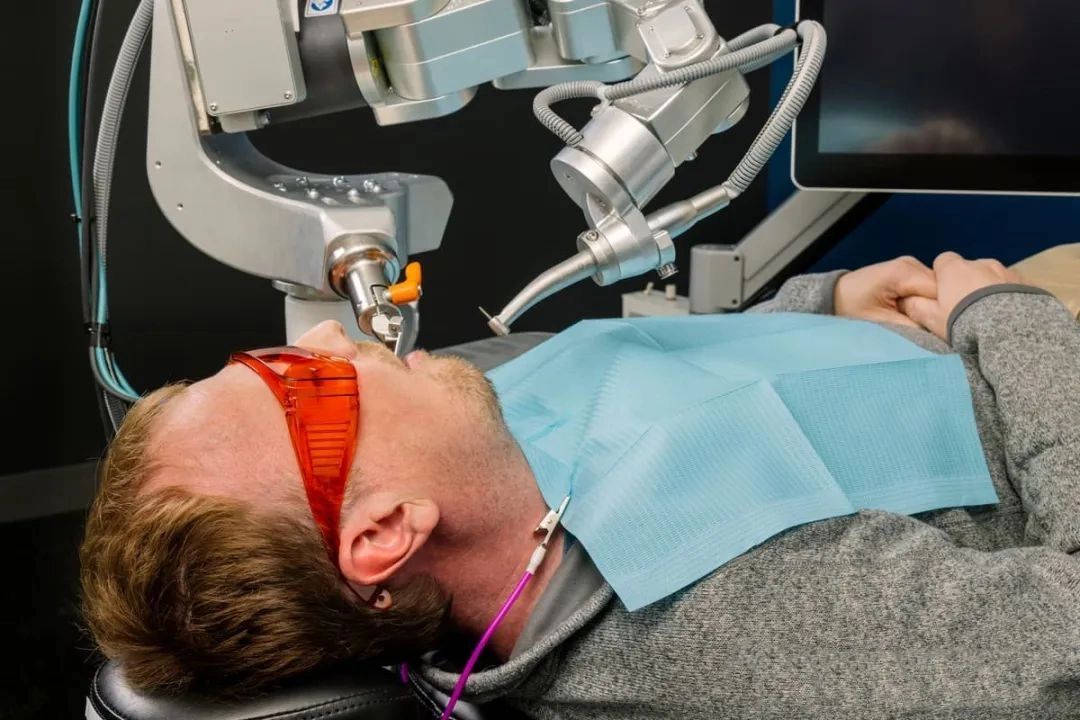
The hydraulic system precisely controls the flow and pressure of the liquid through the servo valve, thereby achieving high-precision control of the robot joints. This technology is particularly important in precision machining and surgical robots. For example, hydraulically driven surgical robots can achieve high-precision motion control to ensure the safety and accuracy of the operation.
(3) Compact design
Hydraulic systems can provide powerful power in a small space and are suitable for space-constrained robot designs. For example, hydraulically driven robot joints can be designed to be more compact, thereby improving the flexibility and dynamic performance of the robot.
2. Application of pneumatic technology in robots
Pneumatic technology uses gas pressure to transfer energy and control movement. Compared with hydraulic technology, pneumatic systems have the advantages of simple structure, low cost, and fast response speed. In the field of robotics, pneumatic technology is usually used in situations with light loads and fast operations.
(1) Light load and fast operation
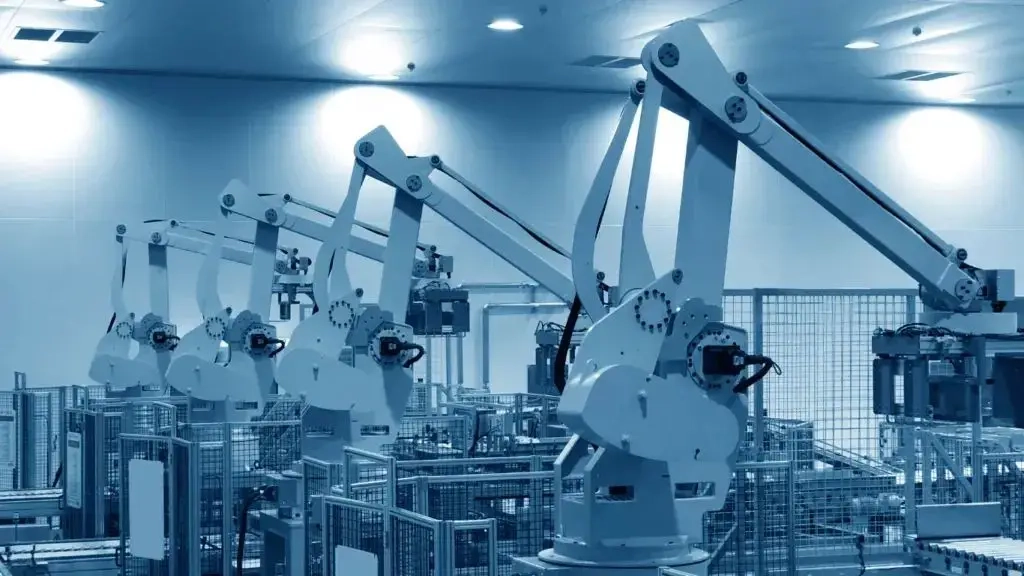
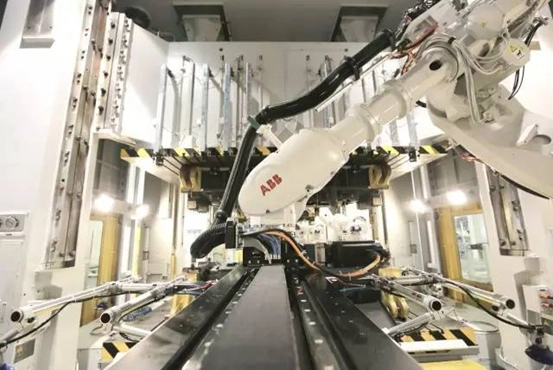
Pneumatic systems are suitable for robots with light loads and high-speed operations, such as manipulators and handling robots on assembly lines. Pneumatic actuators can respond quickly and achieve high-frequency repetitive actions, making them suitable for automated production lines.
(2) Safety and cleanliness
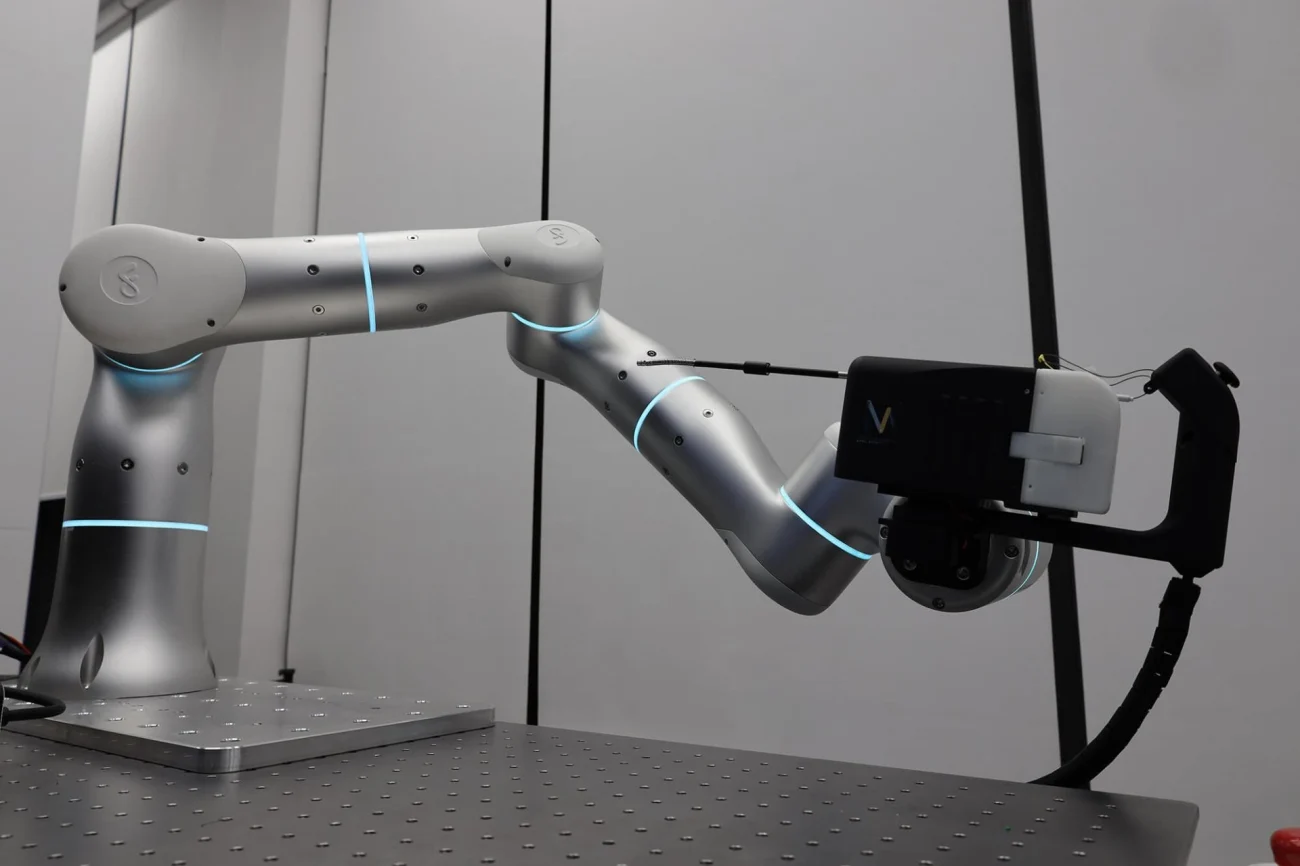
Pneumatic systems use air as a medium, which is pollution-free and highly safe. For example, in the medical field, the pneumatically driven endoscopic surgery assistance robot “EMARO” uses air pressure drive to ensure safety and pollution-free during surgery.
(3) Flexibility and adaptability
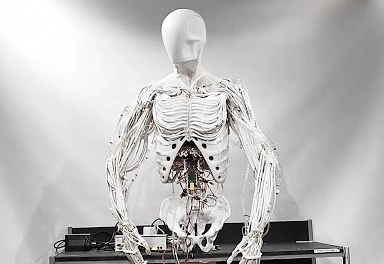
Pneumatic systems can achieve complex motion control through simple air path design. For example, pneumatic artificial muscles can simulate the movement of biological muscles and achieve flexible movements of robots. This technology has broad application prospects in soft robots and bionic robots.
3. Comparison between hydraulic and pneumatic technology
Hydraulic and pneumatic technologies have their own advantages and disadvantages in the field of robotics. Hydraulic systems are suitable for high-load and high-precision applications, but they have problems such as high cost, complex maintenance and potential contamination. Pneumatic systems are more suitable for light loads and fast operations, with the advantages of low cost, fast response and high safety. In practical applications, which technology to choose depends on the specific tasks and working environment of the robot.
4. Future development trends
With the continuous advancement of technology, the application of hydraulic and pneumatic technology in the field of robotics will become more extensive. Future development directions include:
(1) High-performance hydraulic systems
Hydraulic systems will develop towards higher power density, lower energy consumption and more compactness. For example, new servo valves and hydraulic components will improve the efficiency and precision of the system.
(2) Intelligent pneumatic technology
Pneumatic systems will combine advanced sensors and control technologies to achieve more complex motion control. For example, pneumatic artificial muscles and intelligent pneumatic actuators will provide more flexible solutions for soft robots and bionic robots.
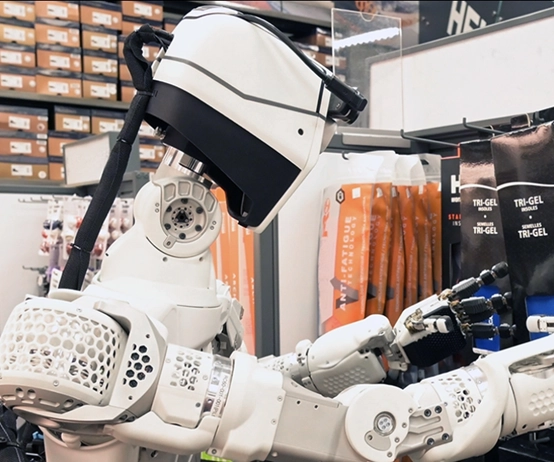
5. Composite drive system
Hydraulic and pneumatic technology may be combined with other drive technologies (such as electric drive) to form a composite drive system. This system will combine the advantages of multiple technologies to improve the performance and adaptability of robots.
Hydraulic and pneumatic technology has important application value in the field of robotics. The hydraulic system is suitable for high-load and high-precision robot applications with its high-power density and precise control capabilities, while the pneumatic system is suitable for light load and fast operation occasions with its fast response and high safety. With the continuous advancement of technology, hydraulic and pneumatic technology will play a greater role in the field of robotics, providing more powerful power and support for the development of robots.