


Blog
In-depth analysis of variable frequency speed regulation technology
In the field of motors, which account for more than 70% of industrial energy consumption, an energy efficiency revolution led by inverters is quietly reshaping the manufacturing industry. As the “smart brain” of the motor control system, the inverter not only achieves flexible control of the equipment speed by accurately adjusting the power frequency but also opens a transformation path to green and low carbon. Mechanical and Electrical Home Network will unveil the mystery of this “power magician” from three aspects: technical essence, value dimension and future trend.
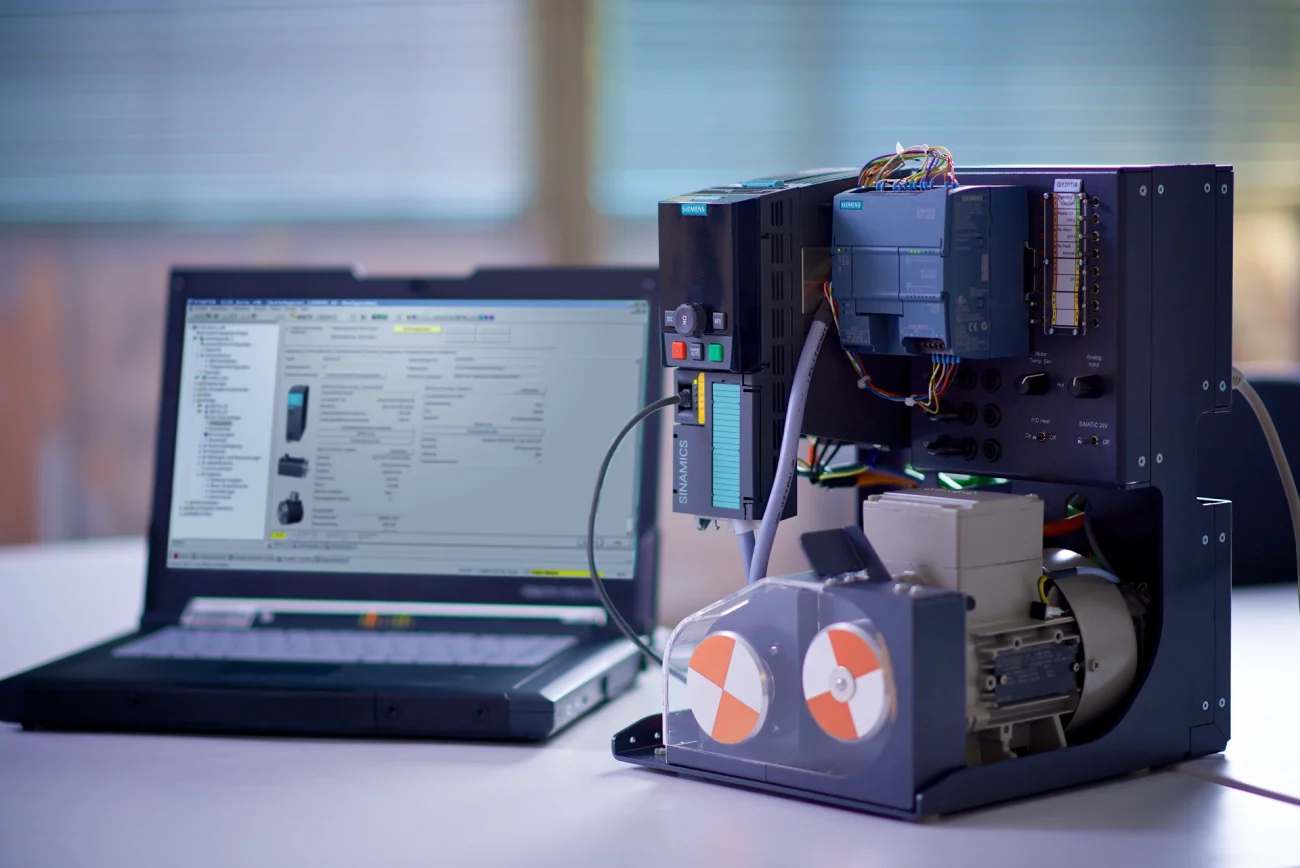
1. Technical decoding: How does the inverter perform “magic”?
(1)Core architecture:
Modern inverters are composed of rectifier units, DC bus, inverter units and intelligent control modules. Through the high-speed switching characteristics of IGBT (insulated gate bipolar transistor), fixed frequency (50Hz/60Hz) AC is converted into continuously adjustable voltage and frequency output.

(2) Art of control:
① V/f control: Applicable to fan and pump loads, basic speed regulation is achieved through voltage-frequency ratio adjustment
② Vector control: Adopting magnetic field-oriented technology to achieve decoupling control of torque and magnetic flux, with an accuracy of 0.1%
③ Direct torque control: Dynamic response <2ms, suitable for elevators, lifting and other instantaneous load mutation scenarios
(3) Energy-saving code:
By changing the motor speed to adjust the flow/pressure (such as using variable frequency control for water pumps can save 30%-60% of electricity), breaking through the energy consumption bottleneck of traditional valve/baffle adjustment. Its energy conversion efficiency can reach 97%, reducing reactive power loss by more than 40% compared with traditional power frequency control.

2. Demonstration of Six Application Scenarios

(1) Central air conditioning system
Frequency conversion of chilled water pump: save about 1.2 million kWh of electricity per year (taking a 10,000 m2 building as an example)
Frequency control of terminal fan: reduce operating noise by 5-8 dB

(2) Metallurgical steel rolling production line
Main drive motor vector control: achieve 0.1 rpm low-speed coiling and improve strip surface quality
Dynamic torque compensation: suppress tension fluctuations during rolling

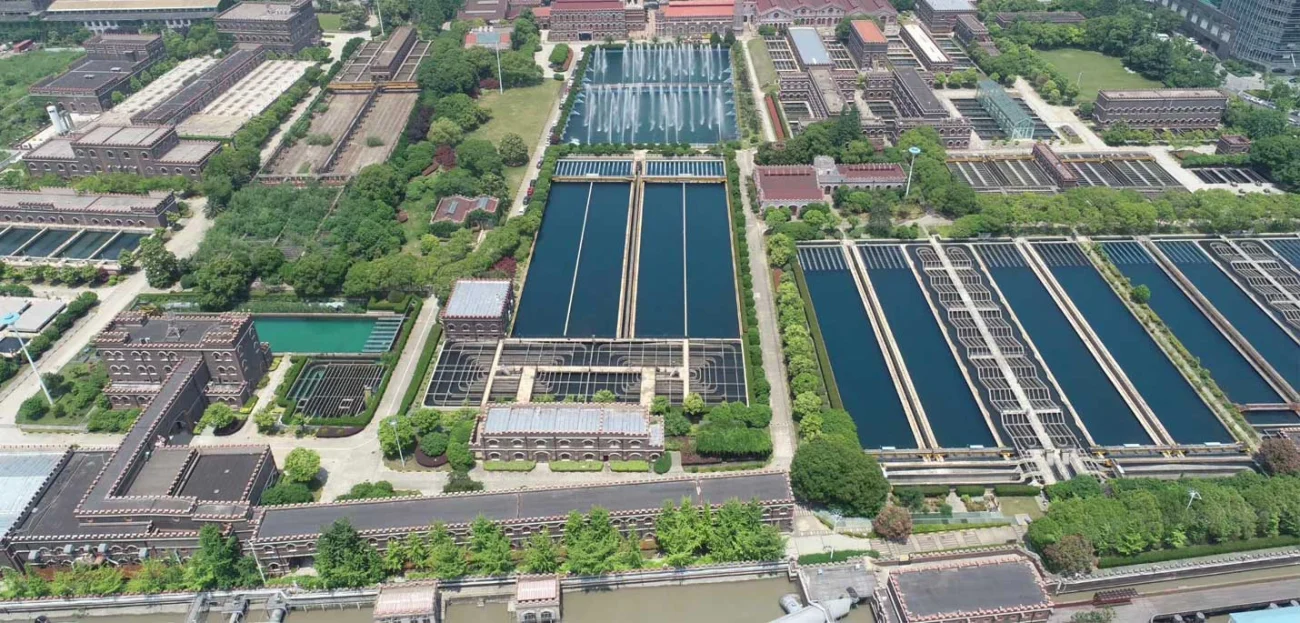
(3) Municipal water supply system
Constant pressure water supply frequency conversion scheme: save 45% of electricity compared to water tower water supply
Low-frequency operation with small flow at night: eliminate water hammer effect
(4) Plastic extrusion equipment
Synchronous control of multiple extruders: accuracy ±0.5%, improving product uniformity
Soft start function: extending equipment life by 3-5 years

(5) Port cranes
Four-quadrant inverter: achieving energy feedback braking, saving 60% of electricity
Anti-sway technology: continuous operation during grid fluctuations

(6) New energy vehicle test bench
High-precision closed-loop control: simulating real road loads
Bidirectional energy flow: supporting battery charging and discharging tests

3. Technology Frontier: Four Evolutionary Directions
(1) Intelligent Upgrade
Built-in AI Algorithm: Automatically optimize the operating curve and adapt to load fluctuations
Digital Twin Technology: Virtual commissioning shortens the deployment cycle by 30%
(2) Integration Breakthrough
Modular Design: Supports plug-in expansion and improves maintenance efficiency by 50%
APF Function Integration: Synchronously solves the problem of harmonic governance
(3) Communication Revolution
Supports OPC UA Protocol: Seamlessly connects to the industrial cloud platform
5G+Edge Computing: Realizes remote predictive maintenance
(4) Green Innovation
Silicon Carbide (SiC) Devices: Switching Losses Reduced by 70%
Energy Feedback Technology: Feeds Braking Energy Back to the Grid
4. Selection Guide: Five-dimensional Decision Model
(1) Load characteristics:
constant torque/constant power/square decreasing—V/f control is selected for fans and pumps, and vector control is selected for precision machine tools
(2) Motor parameters:
power/voltage/pole pair number—for motors above 75kW, it is recommended to adopt a multi-machine parallel solution
(3) Environmental requirements:
protection level (IP54/IP66)—port equipment needs to consider salt spray corrosion protection
(4) Functional requirements:
PID regulation/multi-speed/communication interface—constant pressure water supply requires a built-in PID regulator
(5) Scalability:
whether to support encoder/brake unit—elevator control requires a brake resistor
Special note:
high-frequency design (switching frequency>20kHz) can significantly reduce motor noise, but will increase IGBT losses, and a balance needs to be struck between efficiency and NVH (noise, vibration, and harshness).


