Blog
Hydraulic technology on marine vessels
Hydraulic technology plays a vital role in all walks of life, and the maritime industry is no exception. Whether it is a small pleasure boat or a large ocean liner, hydraulic technology has been widely used in various maritime applications due to its compact and rugged characteristics. This article will explore the application of hydraulic technology in the marine environment, take a deep look at commonly used hydraulic components, and discuss why hydraulic technology is particularly suitable for marine vessels.
1. Steering System
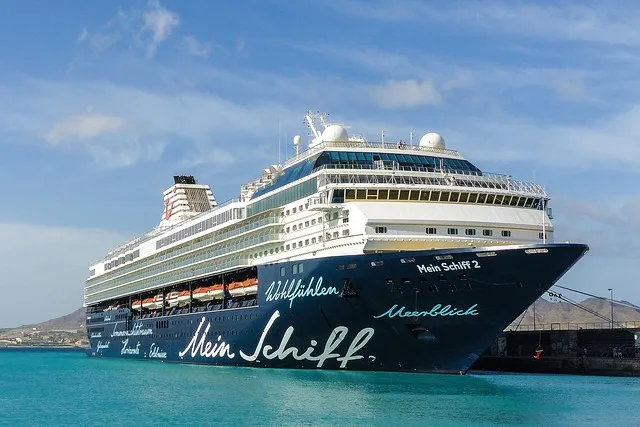
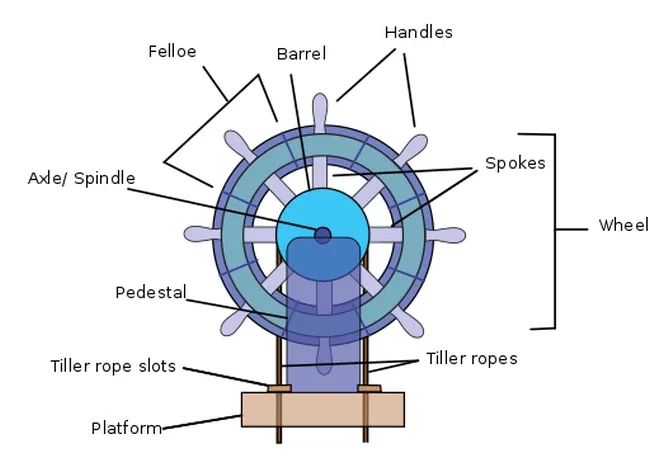
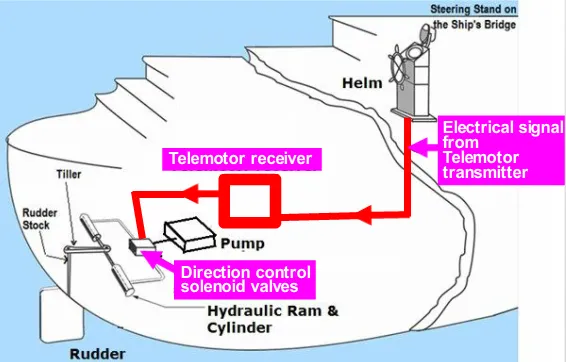
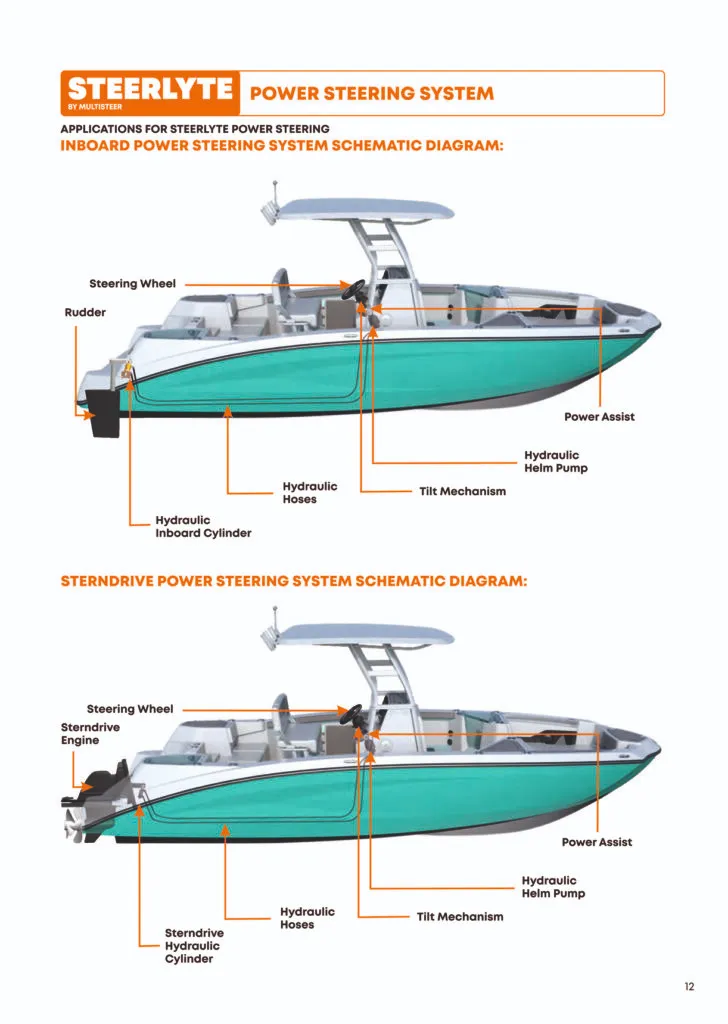
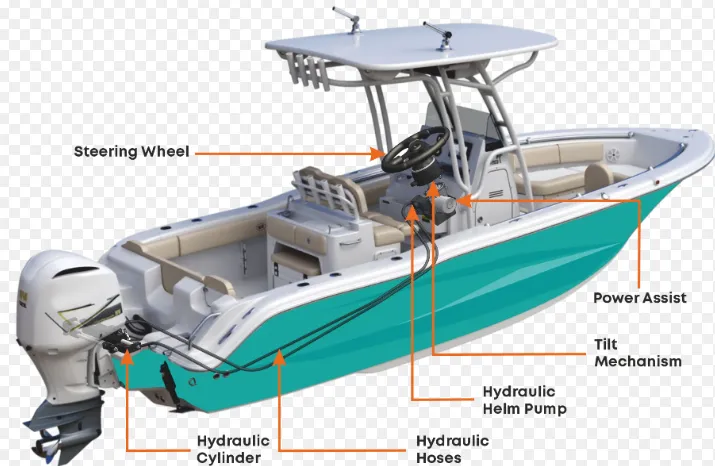
Hydraulic systems are the backbone of the steering mechanisms of ships and boats. By using hydraulic power, these systems provide precise control and maneuverability even in adverse conditions. Hydraulic steering systems can transmit powerful forces for effortless and responsive navigation, in this case, hydraulic power is easily transmitted to the rudder, ensuring smooth and reliable steering, regardless of the size of the vessel.
2. Anchoring
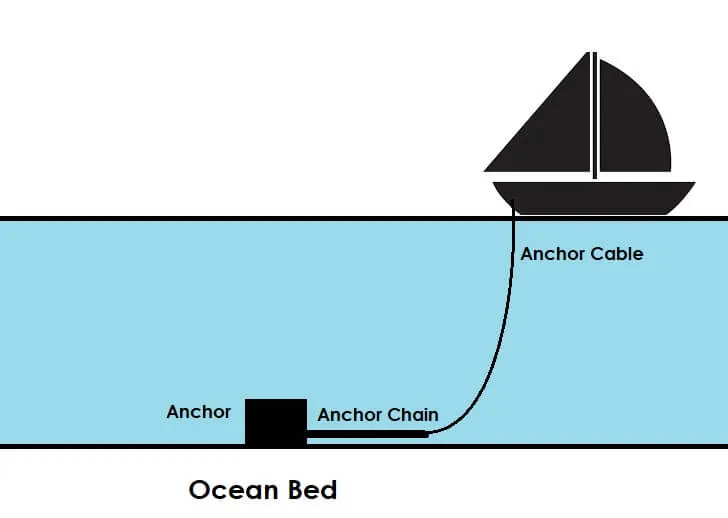
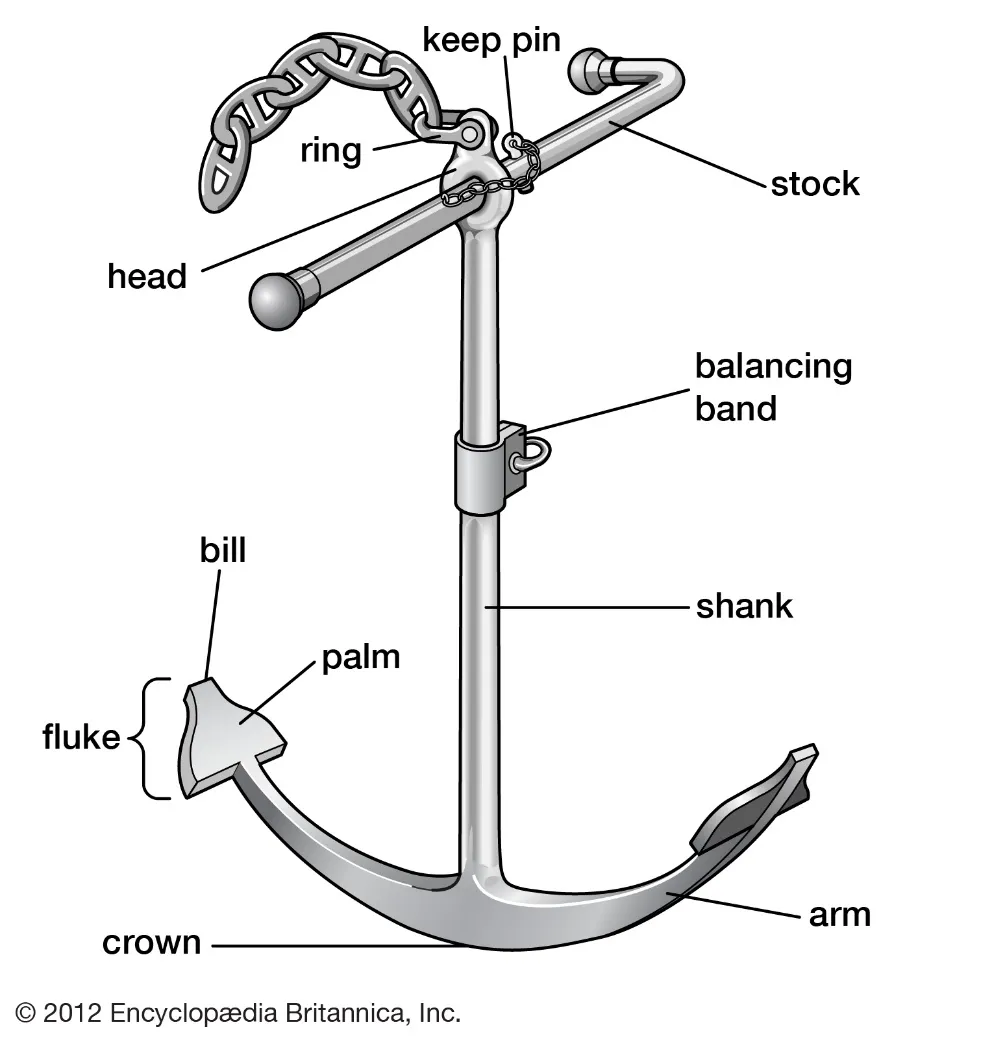
Hydraulic systems are also used in anchoring and winch mechanisms to efficiently control heavy loads. Hydraulic winches can be driven, and anchors can be recovered, heavy equipment can be lifted, and towing operations can be handled even in harsh working conditions. The versatility and reliability of hydraulic systems make them ideal for handling a variety of marine applications that require controlled power and precise control.
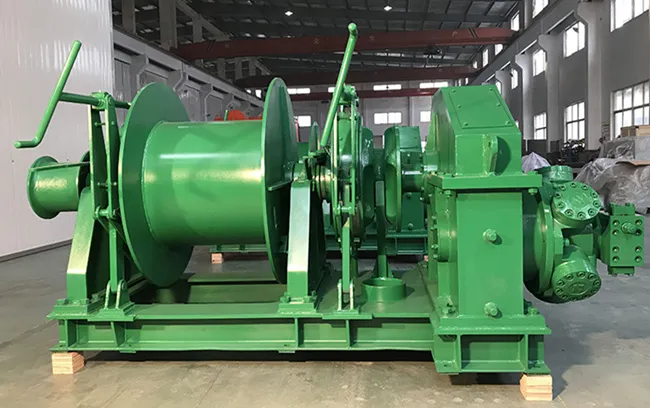
Marine hydraulic winches use a range of the largest hydraulic motors currently available, with displacements easily exceeding 3,000 cubic inches (49L/r). The largest winch systems can provide hundreds of thousands of pounds of pulling force for barge loading and unloading, escort services, and docking.
3. Lifting System
The marine environment often requires moving and positioning heavy objects, so hydraulic systems are widely used in cranes and lifts on ships. These hydraulic systems provide the power required to lift cargo, providing a high degree of control and safety. In addition, hydraulic systems are designed to withstand harsh marine conditions, such as corrosive salt water and extreme temperatures, ensuring reliable and long-lasting operation.
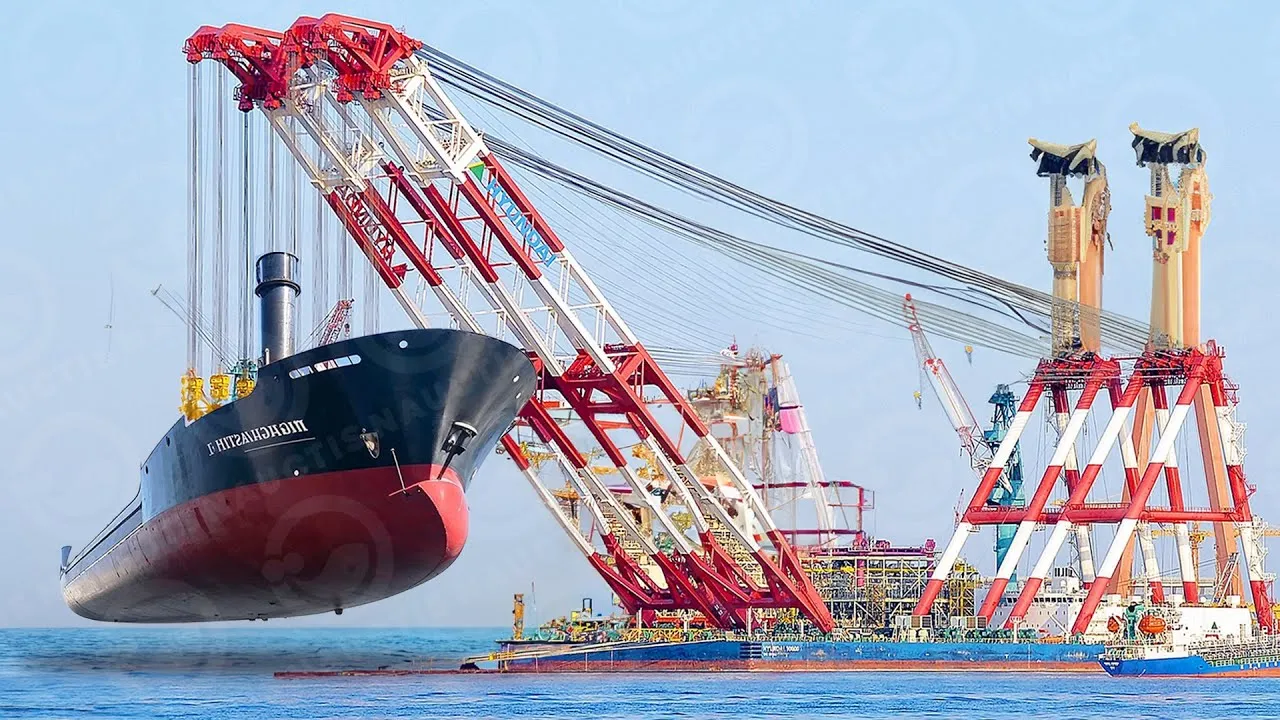
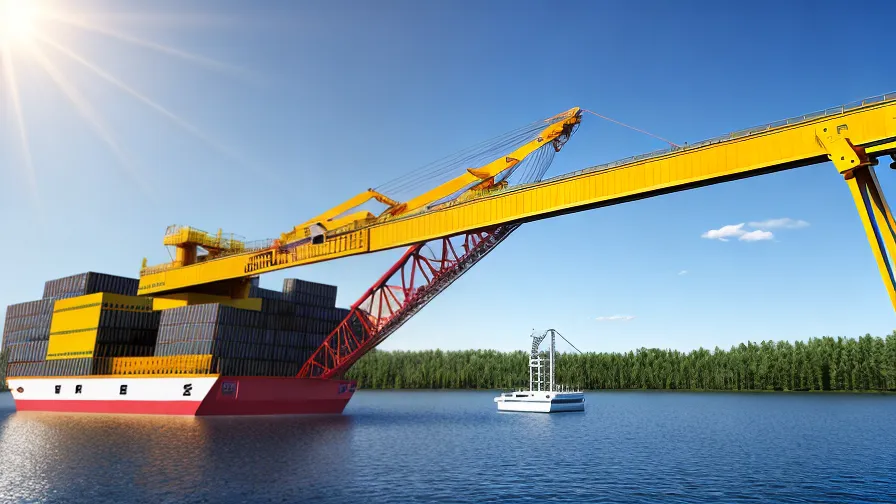
Merchant ships do not always have boarding doors on the side of the hull, so supplies must be lifted from the dock to the deck via a gangway or crane. These are usually retractable cantilever cranes that can lift several thousand pounds of supplies. Hydraulic cylinders operate the boom, while rotary actuators rotate the crane components for precise placement.
4. Ship Stabilization System
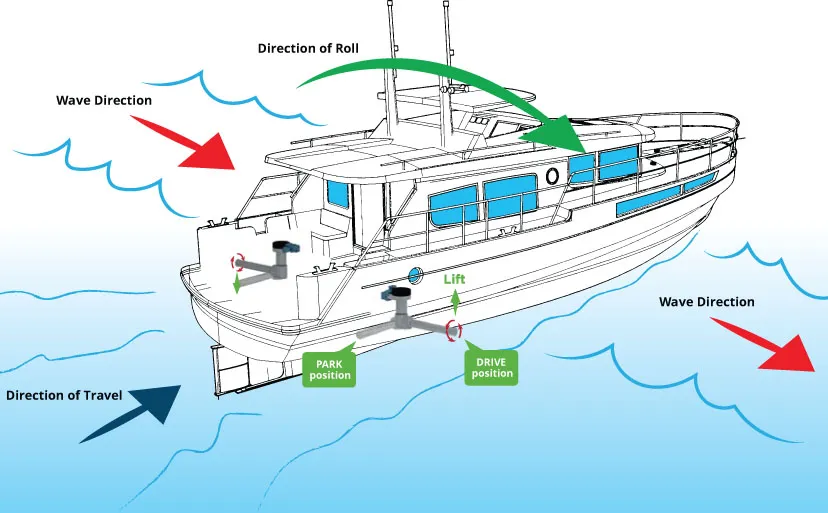
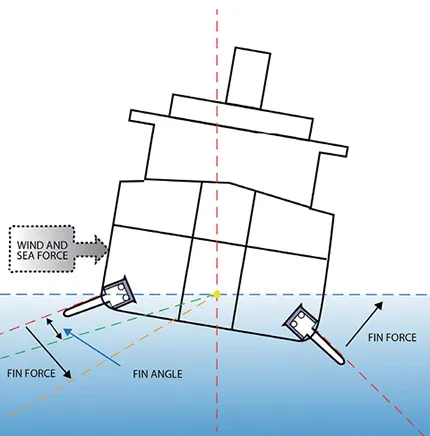
Stability is vital for ships, especially in adverse weather conditions. Hydraulic stabilization systems help to counteract the ship’s rolling, improving comfort and safety on board. Hydraulic actuators provide instant response and rapid adjustments to maintain the stability of the vessel. Hydraulic stabilizers are particularly beneficial in reducing the risk of seasickness and ensuring the health of passengers and crew.
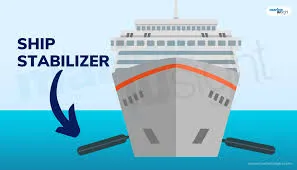
Stabilizers work by turning fins mounted on both sides of the hull, which can quickly react to waves and wind to keep the ship stable. Advanced modern systems have sophisticated hydraulic power units that electronically monitor the position and quickly adjust the stabilizers to counteract the movement.
5. Marine Hydraulic Components
Hydraulic pumps are the heart of any hydraulic system because they convert mechanical power into hydraulic energy through pressurized fluid (usually hydraulic oil). In marine applications, pumps are usually driven by electric motors or engines and come in a variety of types, including gear, vane, and plunger. The choice of pump depends on the specific requirements and budget of the application.
Cylinders and actuators are key components that convert hydraulic energy into mechanical energy or motion. In marine applications, hydraulic cylinders are used for steering, lifting, and stabilization tasks. These devices include cylinder barrels, pistons, tie rods, cylinder heads, and seals. When there is a driving task, high-pressure fluid enters the cylinder and pushes the piston to produce linear force or motion.
Hydraulic motors are like hydraulic pumps in that they convert the input hydraulic energy into mechanical torque at the output end. The force generated by the cylinder or hydraulic motor is proportional to its size and inversely proportional to the speed.
Hydraulic valves are responsible for directing the flow of hydraulic fluid and regulating pressure in hydraulic systems. They are used in steering systems, winches, and other marine applications to control the direction, speed, and force of hydraulic actuators. The valves allow for precise and instant adjustments, allowing operators to sail smoothly and control loads accurately.
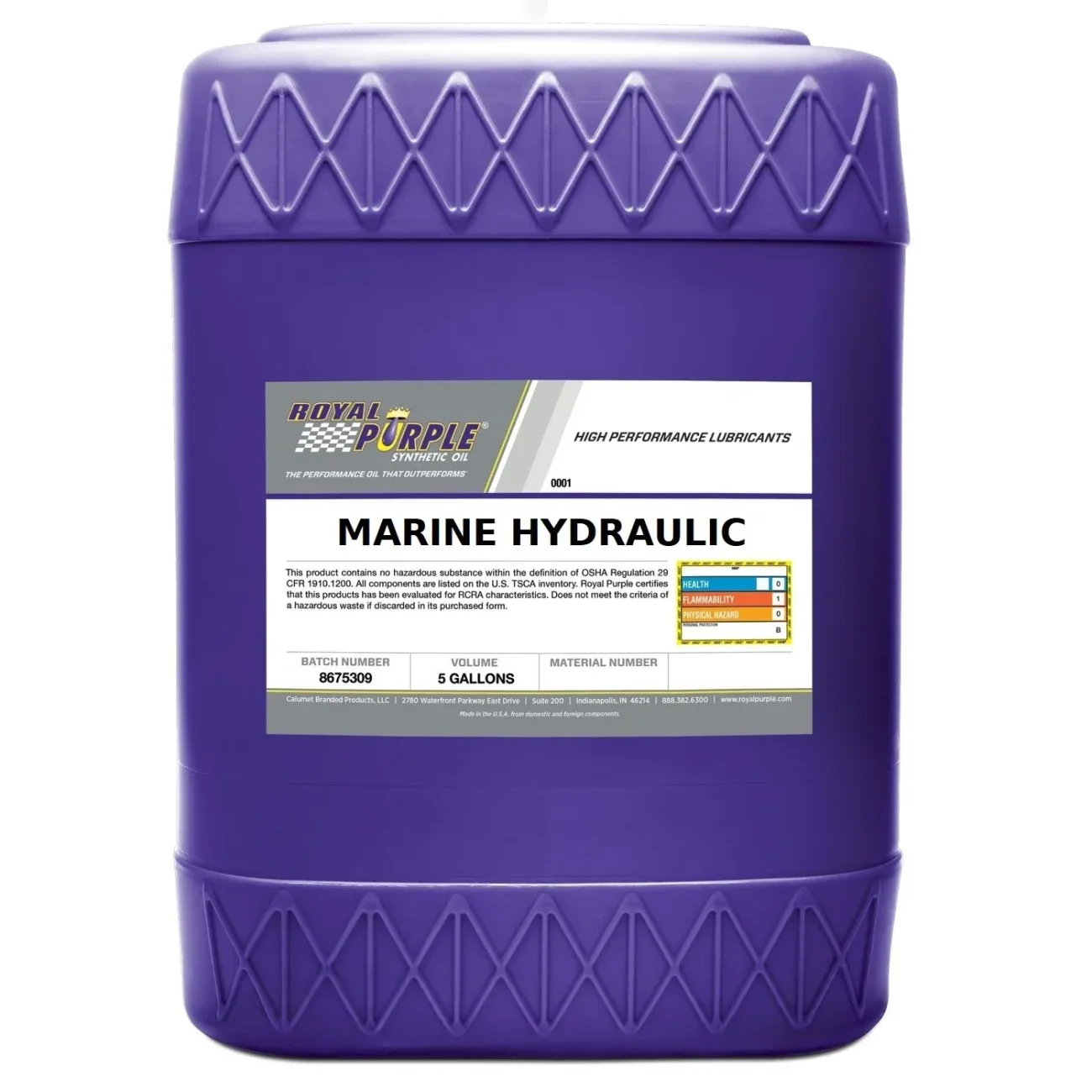
Hydraulic systems require the right hydraulic fluid to effectively transmit power and lubricate internal components. Marine hydraulic systems typically use mineral-based hydraulic fluids that have excellent stability, corrosion resistance, and low-temperature performance. However, in many cases, marine fluids must be biodegradable to prevent accidental leaks, and any responsible captain only uses oils that meet EPA marine biotoxicity requirements.
In addition, hydraulic filters are used to remove contaminants and maintain the cleanliness of the hydraulic fluid, ensuring the life and efficiency of the system. Contamination is the number one cause of failure in hydraulic systems, and when contamination is high, wear particles can increase wear on other components. No one wants to be stranded at sea without a steering gear, so keeping the fluid clean is always a top priority.
It should be said that hydraulic components work best without corrosion, so avoid components made of materials such as aluminum and carbon steel if your budget allows. Materials such as stainless steel or brass are preferred because they can better resist the corrosive effects of seawater.
Why Hydraulics Are Good for Marine Applications
Hydraulic systems offer a high power-to-weight ratio, making them ideal for marine applications where weight and space are limited. The compact design and high-power density of hydraulic components allow for efficient power transmission without compromising the performance of the vessel. Hydraulic systems offer precise control and responsiveness, allowing operators to accurately handle marine operations. The ability to vary force and speed, combined with instantaneous response, makes hydraulic systems ideal for steering, lifting and stabilizing tasks, ensuring the safety and comfort of the vessel and its occupants.
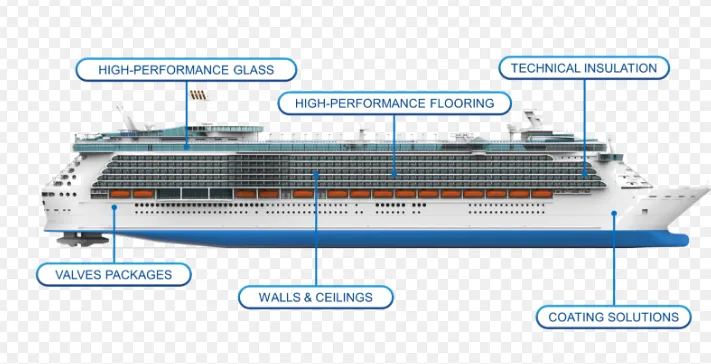
The marine environment presents significant challenges due to exposure to seawater, moisture and extreme temperatures. Hydraulic systems can be designed with corrosion-resistant materials, seals and coatings to withstand these harsh conditions, ensuring long-term reliability and minimizing maintenance requirements.
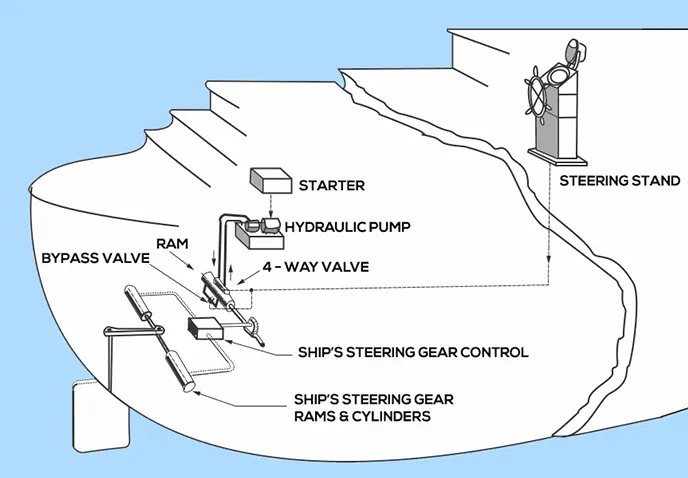
Hydraulics have revolutionized marine applications, providing efficient and reliable power transmission for a variety of tasks on ships and vessels, from steering systems to cargo handling and hull stabilization; hydraulic systems offer reliable, precise control, durability and high-power density. With hydraulic technology, ships can navigate the high seas with greater efficiency, safety and maneuverability, making hydraulic technology an integral component of modern marine operations.